

When it comes to maintaining your trailer's peak performance, understanding and managing axle temperatures is key. Not only do these temperatures influence the longevity of your trailer and its components, but they also play a crucial role in safety. With the rise of smart trailer technologies, monitoring such factors has never been easier.
Table of Contents
- Table of Contents
- Why Axle Temperatures Matter
- The Role of Tire Monitor Systems
- Intelligent Trailer Monitoring Systems
- Optimizing Trailer Performance
- Conclusion
- FAQs
Why Axle Temperatures Matter
Axle temperatures can significantly impact several aspects of your trailer's performance. Excessive heat can lead to axle failures, increased tire wear, and even trailer blowouts. High temperatures can indicate issues such as a dragging brake, flat tire on the trailer, or improper lubrication. Notably, for trailers featuring 14 trailer wheels, maintaining consistent axle temperatures is crucial in preventing premature hub replacement.
Understanding these temperatures can prevent common issues and ensure the safe operation of your trailer across all terrains.
The Role of Tire Monitor Systems
A comprehensive trailer tire monitor system, such as a TPMS, can detect variations in trailer wheels tire temperatures, alerting drivers to potential issues before they lead to severe consequences. Knowing your tire pressure and temperature can prevent instances of trailer lost wheel or trailer dragging brake scenarios.
For instance, the TPMS in the TWD Adventure and TWD RoadCommand offers real-time updates on tire performance, reducing the risk of unexpected breakdowns on the road.
Intelligent Trailer Monitoring Systems
Investment in an intelligent trailer monitoring system is essential for anyone serious about maintaining their trailer. These systems, like the TWD Utility, deliver critical data on axle temperatures, tire conditions, and provide alerts on any anomalies.
They are particularly useful for RV owners requiring meticulous rv trailer wheel bearing maintenance. These tools not only help with immediate issues but also guide you on preventive measures, ensuring a seamless and safe trip for your vehicle.
Optimizing Trailer Performance
Enhancing your trailer's performance is simplified with the right tools. With real-time data, you can adjust driving habits or perform necessary maintenance tasks. The TWD LoadMaster system, for example, caters to the demands of heavy load monitoring, working alongside a tire temperature monitor to offer comprehensive insights.
Lastly, a trailer TPMS system can prevent heart-stopping moments of trailer blow outs. The goal is simple: proactive instead of reactive measures, ensuring safe travels every time.
Conclusion
Axle temperatures should never be overlooked when it comes to trailer maintenance. Leveraging tire monitor systems and intelligent trailer monitoring systems, like those offered by Trailer Watchdog, not only optimize your trailer's performance but also significantly enhance safety. These solutions make it possible for you to focus on what matters most - the open road ahead.
Protect your trailer
-
TWD Adventure
Regular price From $395.00Regular priceUnit price per -
TWD LoadMaster
Regular price From $495.00Regular priceUnit price per -
TWD Utility
Regular price From $395.00Regular priceUnit price per -
TWD Mariner
Regular price From $395.00Regular priceUnit price per
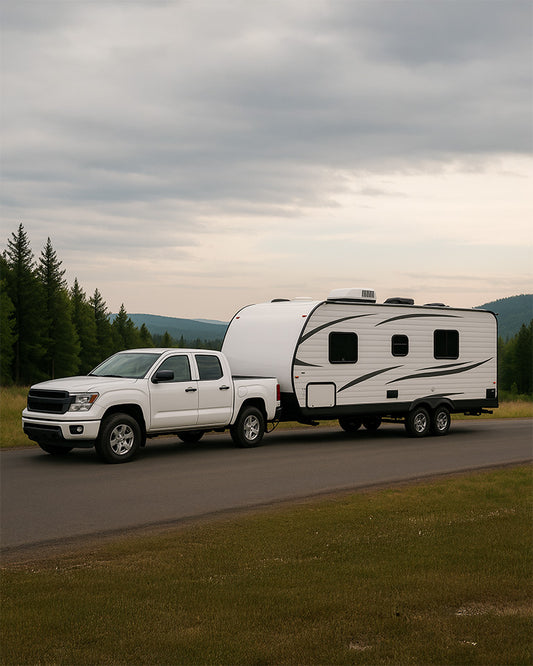
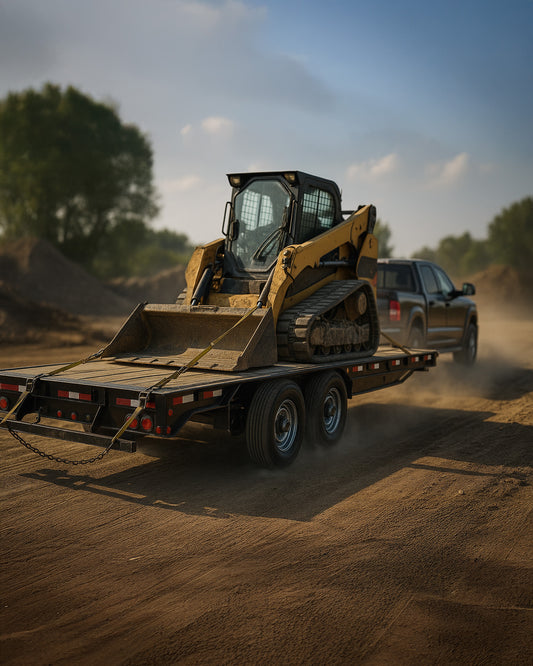
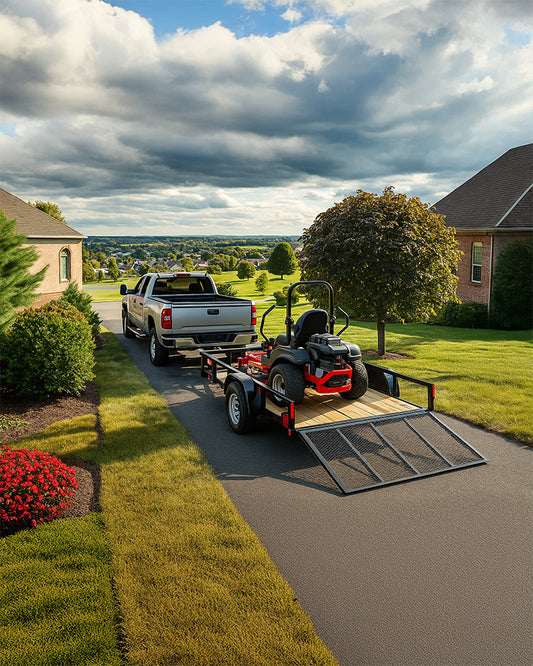
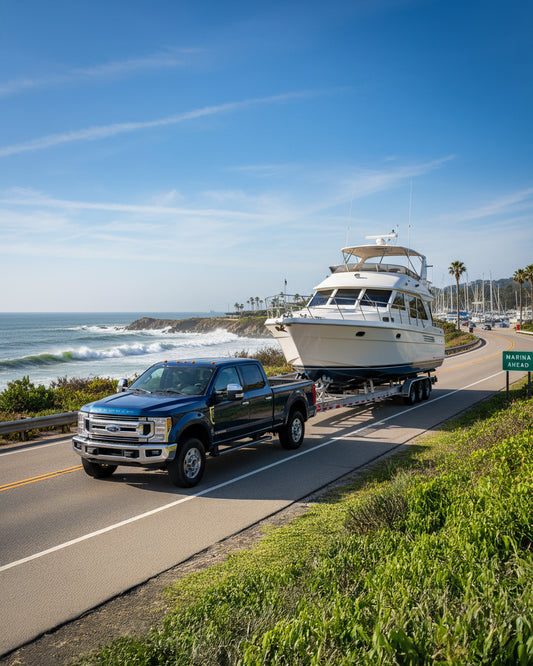
Explore more about Trailer Watchdog solutions to keep your travels smooth and worry-free.
FAQs
What is an axle temperature, and why is it important for trailer performance?
Axle temperature refers to the heat generated in the axle due to friction and load during operation. Monitoring axle temperature is crucial because elevated temperatures can indicate potential issues like bearing failure, improper lubrication, or overload, which can lead to decreased performance and safety risks.
How can I measure axle temperature on my trailer?
Axle temperature can be measured using infrared thermometers or temperature sensors installed on the axle housing. Many modern trailers also come equipped with built-in temperature monitoring systems that provide real-time readings.
What are the common causes of high axle temperatures?
High axle temperatures can be caused by several factors, including overloaded trailers, inadequate lubrication, misaligned wheels, damaged bearings, or a lack of proper maintenance. It's important to regularly inspect and maintain your trailer to prevent overheating.
What are the signs that my trailer's axles might be overheating?
Signs of overheated axles include a burning smell, visible smoke, unusual noises during operation, or excessive wear on tires. If you experience any of these symptoms, it’s essential to stop and inspect the trailer immediately.
At what temperature should I be concerned about my trailer's axles?
Typically, axle temperatures above 200°F (93°C) indicate potential issues that need to be addressed. However, this can vary based on the type of trailer and load. It's best to consult the manufacturer's specifications for optimal temperature ranges.
How can I prevent excessive axle temperatures during towing?
To prevent excessive axle temperatures, ensure that the trailer is loaded correctly, maintain proper tire pressure, use the right lubricant, regularly inspect and service bearings, and avoid overloading. Additionally, keeping an eye on temperature readings during long hauls can help identify issues early.
What should I do if I suspect my trailer axles are overheating?
If you suspect your trailer axles are overheating, safely pull over and allow the axles to cool down. Once cooled, inspect for issues like damaged bearings or wheel misalignment. If you're unsure, it's advisable to seek a professional inspection and repair before continuing your journey.
Can axle temperature affect the lifespan of my trailer?
Yes, consistently high axle temperatures can significantly reduce the lifespan of your trailer’s components. Overheating can lead to premature wear and tear on bearings, tires, and axle assemblies, resulting in costly repairs and potentially dangerous situations on the road.
Is there any maintenance routine I should follow to manage axle temperatures?
A regular maintenance routine should include checking and adjusting wheel alignment, inspecting bearings and lubricating them as needed, monitoring tire pressure, and conducting periodic temperature checks. Following the manufacturer's maintenance guidelines will help keep your trailer in optimal condition.
