

Whether you're towing a small utility trailer or embarking on a cross-country road trip with your RV, maintaining your trailer's tire health is crucial. A flat tire on a trailer or, worse, a trailer blowout can lead to axle failures and turn your adventure into a stressful ordeal. Thankfully, a tire monitor system can serve as an intelligent trailer monitoring system, preventing such problems before they occur.
Table of Contents
- Table of Contents
- Why You Need a Trailer Tire Monitor System
- Easy Steps to Install a Trailer TPMS
- Choosing the Best Trailer TPMS for You
- FAQs
Why You Need a Trailer Tire Monitor System
For those new to towing, you might not be fully aware of the risks associated with improper tire maintenance. A robust trailer TPMS System provides real-time insights into your tire pressures and axle temperatures, alerting you to any issues before they escalate. This proactive approach helps avoid serious issues like trailer lost wheels and trailer dragging brakes that can lead to unfortunate accidents.
An effective TPMS not only monitors the pressure but also acts as a tire temperature monitor. Monitoring both aspects is crucial, as overheated tires can result in a blowout. Considering most trailers operate with 14 trailer wheels, keeping tabs on each one can prevent hardships down the road and enhance the lifespan of your trailer wheels tire and axle.
Easy Steps to Install a Trailer TPMS
Installing a trailer tire monitor system might seem daunting at first, but it's simpler than it looks. Here's a step-by-step guide for first-time users:
- Choose the Right System: It's important to select a system that fits your trailer needs. For example, the TWD RoadCommand is suitable for RVs and provides comprehensive monitoring of tire pressure, tire temperature, and axle conditions.
- Install the Tire Sensors: Attach tire sensors to each wheel. These sensors provide real-time data to the monitor. Ensure the sensors are tightly fixed to avoid haphazard readings.
- Set Up the Monitor: Once the sensors are installed, set up the central monitor within your vehicle. Position it to have a clear view while driving. This monitor will alert you to any sudden changes or issues like a flat tire on the trailer.
- Regular Maintenance and Checks: Engage in regular rv trailer wheel bearing maintenance and hub replacement trailer checks. This ensures continuous reliable performance from your smart trailer system.
- Test the System: Before hitting the road, test the entire setup. Ensure all tire pressures are displayed accurately and that alerts are received promptly.
Choosing the Best Trailer TPMS for You
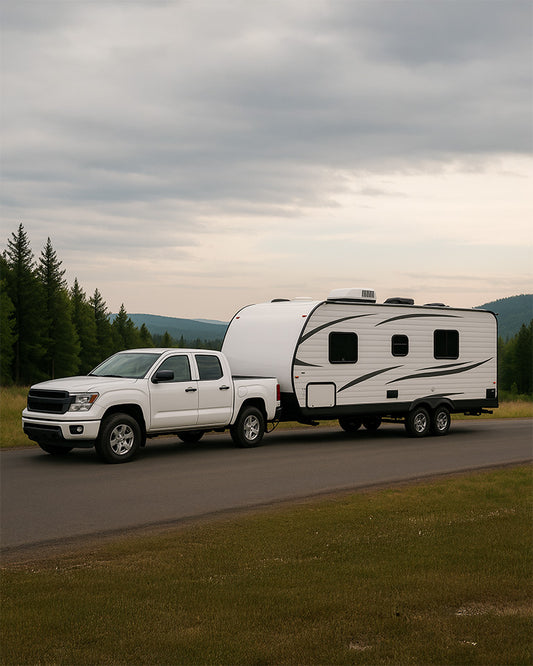
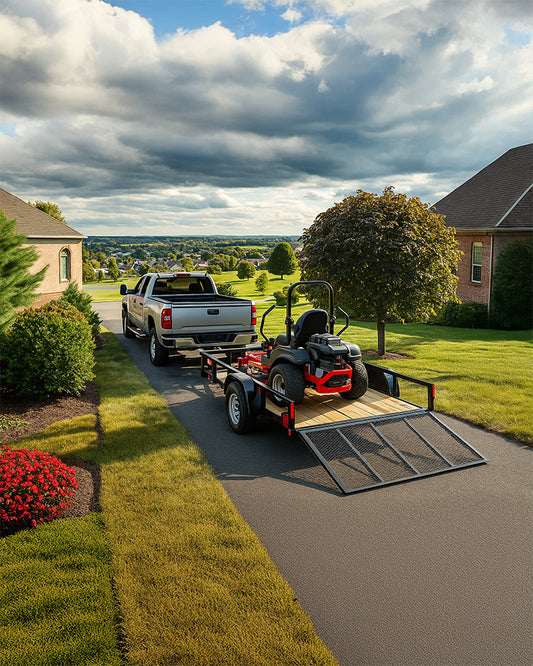
When selecting a system, consider your particular needs. If you're new to trailer towing, the TWD Adventure provides a user-friendly setup and smart monitoring for multiple trailer types. Alternatively, for utility trailers, the TWD Utility offers robust and versatile solutions.
For horse trailers or function-specific needs, consider the TWD EquiGuard. Customizable and efficient, this product ensures that your trailer's tire conditions are always optimal, providing peace of mind.
By setting up a proper tire pressure monitor system, you can transform your trailer into an intelligent, self-monitoring vehicle. This not only extends the lifespan of your trailer's components but also safeguards it against unexpected failures. For more information and to explore our range of products, visit Trailer Watchdog.
Ensure your future travels are safe and hassle-free by investing in a reliable trailer TPMS today.
Protect your trailer
-
TWD Adventure
Regular price From $395.00Regular priceUnit price per -
TWD Mariner
Regular price From $395.00Regular priceUnit price per -
TWD LoadMaster
Regular price From $495.00Regular priceUnit price per -
TWD Utility
Regular price From $395.00Regular priceUnit price per
FAQs
What is a trailer tire pressure monitor system (TPMS)?
A trailer tire pressure monitor system (TPMS) is a device that tracks the air pressure and temperature of your trailer's tires in real-time. This system helps prevent blowouts, improves fuel efficiency, and enhances overall safety while towing.
Why should I install a TPMS for my trailer?
Installing a TPMS can give you peace of mind by providing early warnings of any tire issues, such as low pressure or overheating. This can help you avoid potential accidents and costly repairs related to tire failures.
What tools do I need for the installation?
Typically, you will need a few simple tools such as a wrench, screwdriver, and possibly a tire pressure gauge. Some systems may come with their own tools, so it's a good idea to check the manufacturer’s instructions before starting.
Can I install a TPMS myself, or should I hire a professional?
Many TPMS units are designed for easy installation and can be set up by most DIY enthusiasts. However, if you're uncomfortable with the process or lack experience, it's perfectly fine to seek help from a professional.
How do I choose the right TPMS for my trailer?
Consider factors such as compatibility with your trailer type, the number of tires monitored, ease of installation, and whether it uses a wired or wireless setup. Reading reviews and comparisons can also help you make an informed choice.
How do I calibrate the TPMS once it's installed?
Calibrating your TPMS usually involves setting the target tire pressure and syncing the monitor with the sensors. Refer to the instruction manual that comes with your system for detailed calibration steps.
What are the common issues I might face after installation?
Some common issues could include false warnings, sensor malfunctions, or connectivity problems with the monitor. It’s important to periodically check your system and address any inconsistencies as they arise.
How often should I check my trailer tire pressures?
While a TPMS continuously monitors your tires, it's good practice to manually check tire pressures before and during long trips. Routine checks can help ensure your tires remain in optimal condition.
Can a TPMS help with tire maintenance?
Yes, a TPMS can greatly assist with tire maintenance by alerting you to any pressure irregularities, allowing you to maintain proper tire pressure and extend the life of your tires. Regular monitoring contributes to overall safety and efficiency.
