

Maintaining the health of your trailer tires is crucial for ensuring safety and efficiency on the road. With innovations in technology, managing tire health is easier and more effective than ever. Here's a comprehensive checklist to help you harness modern technology for optimal trailer tire maintenance.
Table of Contents
- Table of Contents
- 1. Invest in a Trailer Tire Monitor System
- 2. Monitor Tire Temperatures with a Tire Temperature Monitor
- 3. Ensure Proper Tire Pressure with a Trailer TPMS System
- 4. Regularly Inspect for Tire Sensor Alerts
- 5. Keep an Eye on Axle Temperatures
- 6. Conduct Regular RV Trailer Wheel Bearing Maintenance
- Technology Tailored to Meet Your Needs
- FAQs
1. Invest in a Trailer Tire Monitor System
A tire monitor system is an essential tool for keeping track of the status of your trailer tires. The Trailer Watchdog TWD Mariner provides real-time monitoring of tire pressure and temperature, ensuring that you're always aware of any potential issues before they escalate into dire problems like flat tires or trailer blowouts.
2. Monitor Tire Temperatures with a Tire Temperature Monitor
High tire temperatures can lead to axle failures and other serious issues. An intelligent trailer monitoring system, like the TWD Utility, offers comprehensive monitoring of tire temperature. This helps in preventing critical failures by alerting you to overheating tires, allowing for timely intervention.
3. Ensure Proper Tire Pressure with a Trailer TPMS System
A trailer TPMS system is crucial for maintaining the correct tire pressure, which is vital for avoiding blowouts and ensuring the longevity of your trailer wheels. The TWD RoadCommand is an efficient solution to keep your trailer's tire pressure in check, enhancing safety and performance.
4. Regularly Inspect for Tire Sensor Alerts
Stay alert to any updates from your tire sensors. The TWD LoadMaster will notify you of any sudden drops in pressure or unexpected spikes in temperature, allowing you to address issues promptly and avoid situations like a trailer dragging brake or a trailer lost wheel.
5. Keep an Eye on Axle Temperatures
Monitoring axle temperatures is as important as watching tire temperatures. High temperatures can be a precursor to hub replacements or other maintenance. Using a product like the TWD Utility ensures this crucial data is always at your fingertips.
6. Conduct Regular RV Trailer Wheel Bearing Maintenance
Routine maintenance, such as checking the bearings of your RV trailer wheels, is important for the smooth operation of your setup. Look for intelligent systems like the ones offered by Trailer Watchdog to warn of any irregularities that could lead to long-term damage or even immediate hazards.
Technology Tailored to Meet Your Needs
Embracing smart trailer technology doesn't just prevent problems; it enhances the overall travel experience. For a comprehensive solution to tire and axle monitoring, check out the TWD Utility and TWD RoadCommand systems, which provide critical insights and preemptive alerts to keep your journey safe and efficient.
For more information on these innovative products and solutions for trailer tire health, visit Trailer Watchdog and explore a range of smart trailer solutions designed to keep you rolling safely down the road.
Protect your trailer
-
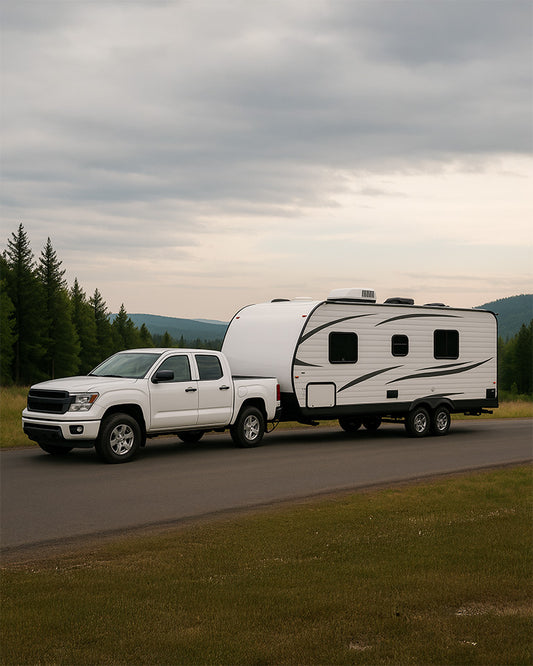
TWD Adventure
Regular price From $395.00Regular priceUnit price per -
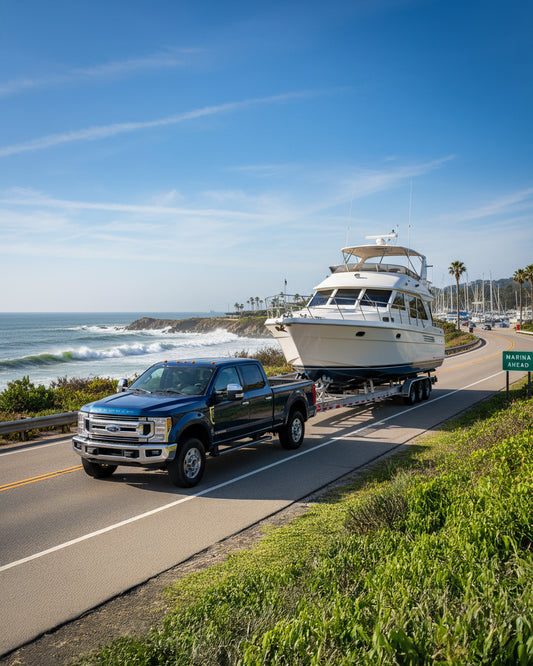
TWD Mariner
Regular price From $395.00Regular priceUnit price per -
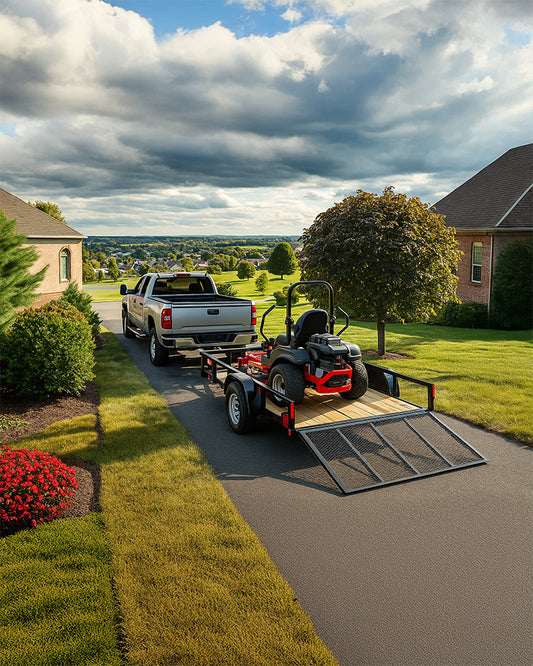
TWD LoadMaster
Regular price From $495.00Regular priceUnit price per -
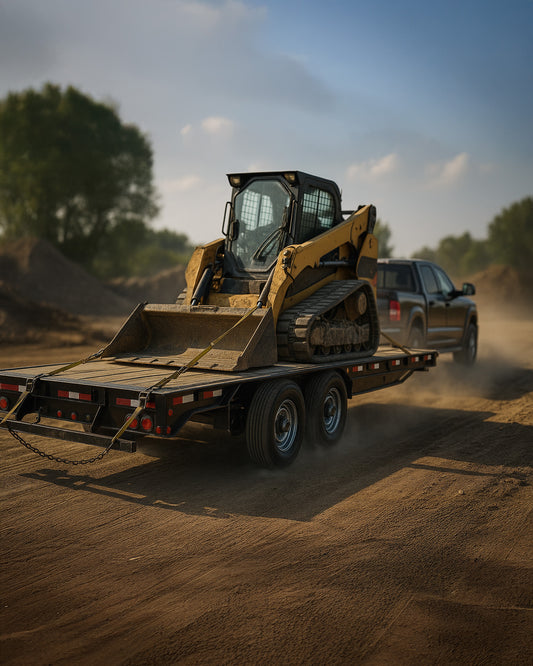
TWD Utility
Regular price From $395.00Regular priceUnit price per
FAQs
What are the key indicators of tire health I should monitor?
Regularly check for tire pressure, tread depth, uneven wear, visible damage, and sidewall bulges. Using a tire pressure monitoring system can provide real-time alerts about any issues.
How often should I check my trailer tires?
It’s recommended to inspect your trailer tires at least once a month, as well as before any long trips. Make adjustments based on usage—more frequent checks may be needed if the trailer is used regularly.
What tire pressure is optimal for trailer tires?
The optimal tire pressure varies by manufacturer and tire type. Always consult the tire manufacturer’s specifications, typically found on the sidewall, for the correct pressure.
How can modern technology assist in maintaining tire health?
Modern technologies such as tire pressure monitoring systems (TPMS) and automated tire inflation systems help monitor and maintain optimal tire conditions, reducing the risk of blowouts and improving fuel efficiency.
What is the importance of tire rotation for trailers?
Tire rotation ensures even wear across all tires, which can extend their lifespan and improve trailer handling. Follow a rotation schedule based on usage patterns, typically every 5,000 to 7,000 miles.
How do I know when to replace trailer tires?
Tires should be replaced if tread depth falls below 2/32 of an inch, if there are visible cracks or bulges, or if they are over six years old regardless of tread wear. Regular inspections can assist in identifying these issues.
Can weather conditions affect trailer tire health?
Yes, extreme temperatures can significantly impact tire pressure and longevity. In cold weather, tire pressure can drop, while heat can cause tires to overinflate. Consider using climate-appropriate tires if you frequently travel in varying conditions.
What is the role of tire alignment in maintaining tire health?
Proper tire alignment ensures that the tires are making even contact with the road, which prevents uneven wear and enhances safety. Regular alignment checks should be a part of your maintenance routine.
Do trailer tires need special care if I store the trailer for long periods?
Yes, when storing a trailer, it’s important to keep tires properly inflated, ideally cover them to protect against UV rays, and periodically move the trailer to prevent flat spots from developing.
How can I extend the life of my trailer tires?
In addition to regular checks and maintenance, ensuring proper storage, avoiding overloading, and adhering to speed limits can significantly extend the lifespan of your trailer tires.
