

Maintaining your trailer's wheels and tires is essential for safe and efficient towing. Whether you're hauling a utility trailer, horse trailer, or an RV, understanding the intricacies of tire care can prevent mishaps like blowouts or axle failures. In this post, we will dive into the essentials of trailer wheel tire upkeep, including the importance of tire monitoring systems and preventative maintenance.
Table of Contents
- Table of Contents
- Tire Monitoring: Your First Line of Defense
- Regular Wheel Maintenance
- Proactive Precautions
- FAQs
Tire Monitoring: Your First Line of Defense
A reliable trailer tire monitor system is crucial for ensuring tire safety. Tire Pressure Monitoring Systems (TPMS) like the TWD LoadMaster offer real-time insights into your trailer's tire pressure and temperature. Keeping an eye on tire pressure helps in avoiding flat tires on the trailer which can lead to dangerous blowouts.
With features that keep the 14 trailer wheels in check, advanced systems such as the TWD EquiGuard monitor tire temperature and axle temperatures to prevent potential failures. By investing in an intelligent trailer monitoring system, you're proactively safeguarding against trailer dragging brakes and possible wheel loss.
Regular Wheel Maintenance
Regular maintenance is key to prolonging the life of your trailer wheels and ensuring safety. From hub replacement trailer procedures to RV trailer wheel bearing maintenance, each step is critical for the health of your wheels. Ensure that bearings are lubricated, wheels are aligned, and axle systems such as the smart trailer are functioning optimally.
Moreover, it’s important to check that your load is evenly distributed. Products like the TWD Adventure simplify this process by monitoring load balance and helping to prevent undue stress on specific tires.
Proactive Precautions
Utilizing a comprehensive trailer TPMS system like the TWD Utility not only helps in monitoring pressure but also alerts you in case of sudden tire deflation, thus allowing timely interventions. The use of tire sensors ensures you’re alerted about potential issues before they become big problems.
Moreover, equip your trailer with high-quality, durable sensors to keep track of trailer lost wheel incidents, thereby averting risks on the highway.
By staying proactive with monitoring and maintenance, you can enhance the performance and safety of your trailer. For more information on innovative solutions that enhance trailer safety, visit Trailer Watchdog.
Discover practical solutions today, and keep your journey safe and uninterrupted with top-tier monitoring products designed to meet your towing needs.
Protect your trailer
-
TWD Adventure
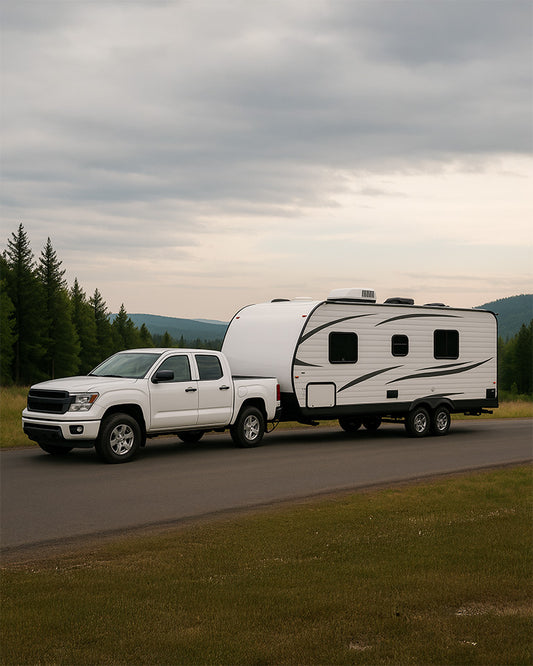
Regular price From $395.00Regular priceUnit price per -
TWD Mariner
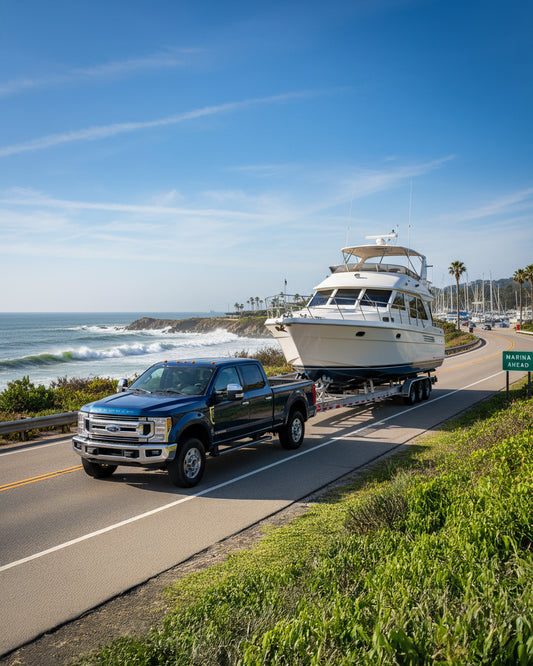
Regular price From $395.00Regular priceUnit price per -
TWD LoadMaster
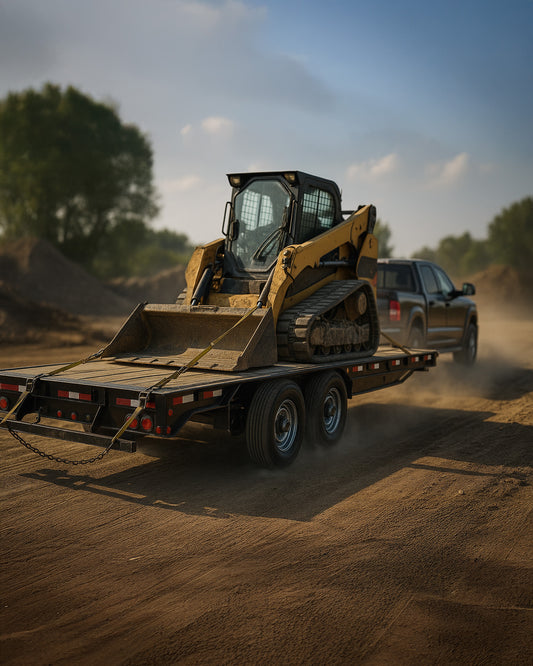
Regular price From $495.00Regular priceUnit price per -
TWD Utility
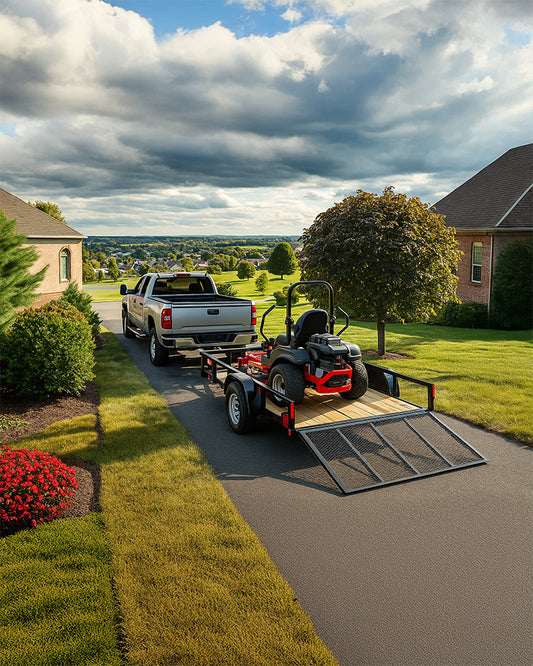
Regular price From $395.00Regular priceUnit price per
FAQs
What are the key signs that indicate my trailer tires need attention?
Common signs that your trailer tires need attention include visible wear patterns, cracks in the rubber, bulges or blisters on the tire surface, low tread depth, and frequent loss of air pressure. It's important to regularly inspect your tires for these issues to ensure safe towing.
How often should I check my trailer tire pressure?
You should check your trailer tire pressure at least once a month and before any long trips. It’s essential to maintain the manufacturer-recommended PSI for optimal performance and safety.
What is the lifespan of trailer tires?
The lifespan of trailer tires can vary based on factors like usage, road conditions, and maintenance, but on average, they should be replaced every 3 to 6 years. Always consult the manufacturer's guidelines and look for any signs of deterioration.
Can I use standard vehicle tires on my trailer?
No, standard vehicle tires are not ideal for trailers. Trailer tires are designed specifically to handle different weight distributions, heat generation, and load characteristics. It’s best to use tires that are rated for trailer use.
What should I do if I experience a flat tire while towing a trailer?
If you experience a flat tire while towing a trailer, safely pull over to the side of the road, away from traffic. Use your hazard lights and set up warning triangles or flares if possible. Replace the tire with the spare or call for roadside assistance if you're unable to do so.
How can I maintain trailer tire longevity?
To maintain trailer tire longevity, regularly check air pressure, keep tires properly inflated, rotate them when necessary, store the trailer in a cool, dry place, and avoid overloading. Routine inspections for wear and tear can also help extend tire life.
Are there specific products I should use for wheel and tire maintenance?
Yes, there are various products available for wheel and tire maintenance, including tire cleaners, protectants, and tire pressure monitoring systems. Look for products specifically designed for trailers to ensure they are effective and safe.
Should I check the spare tire on my trailer?
Absolutely. The spare tire should be checked regularly, just like the other tires. Ensure it is properly inflated, free of damage, and has sufficient tread depth to be safe in case of a flat.
How does weather impact trailer tire maintenance?
Weather can significantly impact trailer tire maintenance. Extreme temperatures, whether hot or cold, can affect tire pressure and integrity. It's important to monitor tire condition more closely during weather changes and adjust maintenance routines accordingly.
