

Proper tire maintenance is critical for safe and efficient trailer usage. Whether you're pulling an RV, a horse trailer, or a utility trailer, understanding the importance of monitoring tire pressure and temperature can help prevent common issues such as flat tires, blowouts, and axle failures. This post will delve into the essentials of trailer tire monitoring, offering tips that will ensure your journeys are smooth and secure.
Table of Contents
- Table of Contents
- Why Tire Monitoring is Critical
- Considerations for Effective Tire Monitoring
- TWD Solutions for Intelligent Trailer Monitoring
- Preventive Tips for Trailer Safety
- FAQs
Why Tire Monitoring is Critical
A reliable tire monitor system can be the difference between a peaceful road trip and an unexpected roadside breakdown. A trailer's TPMS (Tire Pressure Monitoring System) provides the real-time data you need to avoid flat tires or potential blowouts by keeping track of tire pressure and tire temperature. For trailers with multiple axles, it's particularly beneficial to monitor axle temperatures, as overheated axles can lead to axle failures.
Considerations for Effective Tire Monitoring
- Understanding Your Trailer's Needs: Different types of trailers may require different tire monitoring solutions. For instance, if you're managing a trailer with 14 trailer wheels or a smart trailer setup, it's crucial to choose a tire temperature monitor system that suits the specific needs of your trailer.
- Regular Maintenance: Routine maintenance, like RV trailer wheel bearing maintenance and checking for signs of trailer dragging brake, ensures that the tires and axles are in optimal condition, preventing possible mishaps during your travels.
- Installing a Reliable TPMS: A quality trailer TPMS system can provide peace of mind by alerting you to changes in tire pressure and temperature. Tire sensors are pivotal in this system, providing critical data that helps keep your trailer wheels in top shape.
TWD Solutions for Intelligent Trailer Monitoring
At Trailer Watchdog, we offer a range of intelligent trailer monitoring systems designed to keep your trailer safe and your trips stress-free:
- TWD LoadMaster: This product is perfect for those looking to keep a vigilant eye on their tire pressure and axle temperature. It’s a comprehensive solution that helps prevent issues before they become problems.
- TWD Utility: Ideal for any utility trailer, this system ensures that you have instant access to the critical data you need to maintain your trailer in peak condition.
Preventive Tips for Trailer Safety
- Routine Checks: Before each trip, a full check of the tire pressure monitor and looking out for visual cues of damage or wear on each tire can save you from the inconvenience of a flat tire on your trailer.
- Hub Replacement: Periodically, it's advisable to examine and possibly replace the trailer's wheel hubs. This can be critical to the longevity of your trailer wheels and overall trailer safety.
- Watch for Signs: If you notice signs of a trailer lost wheel or unusual rattling noises, immediately inspect your tires and axles to prevent further issues.
Ensuring the integrity of your trailer's tires through effective monitoring and maintenance is crucial for any trailer owner. Whether you're embarking on an adventure or managing a utility transport, systems like the TWD Adventure or TWD Utility are tailored to ensure your peace of mind.
Take proactive steps to prevent trailer mishaps by equipping your trailer with a reliable and intelligent monitoring system from Trailer Watchdog.
FAQs
What is the ideal tire pressure for my trailer?
The ideal tire pressure for your trailer depends on the tire specifications and the weight it carries. Always refer to the tire sidewall or the trailer manufacturer's manual for the recommended pressure, which is often between 50-80 psi.
How often should I check my trailer tire pressure?
It's best to check your trailer tire pressure at least once a month and before any long trips. Tire pressure can fluctuate with temperature changes and air loss over time, so regular checks help ensure optimal performance and safety.
Protect your trailer
-
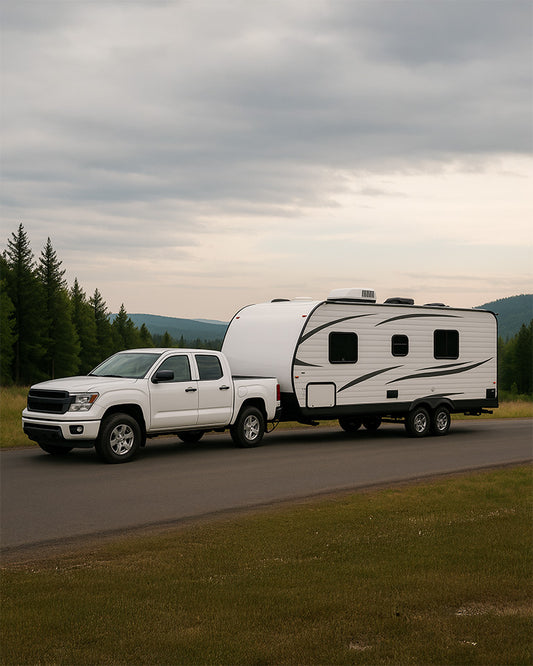
TWD Adventure
Regular price From $395.00Regular priceUnit price per -
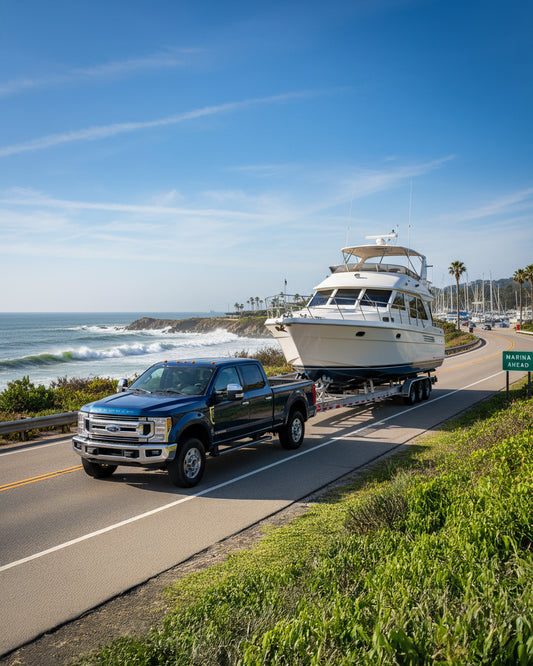
TWD Mariner
Regular price From $395.00Regular priceUnit price per -
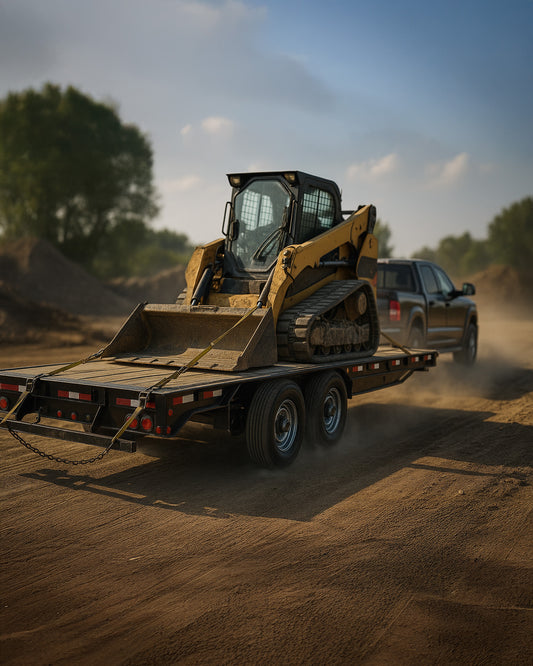
TWD LoadMaster
Regular price From $495.00Regular priceUnit price per -
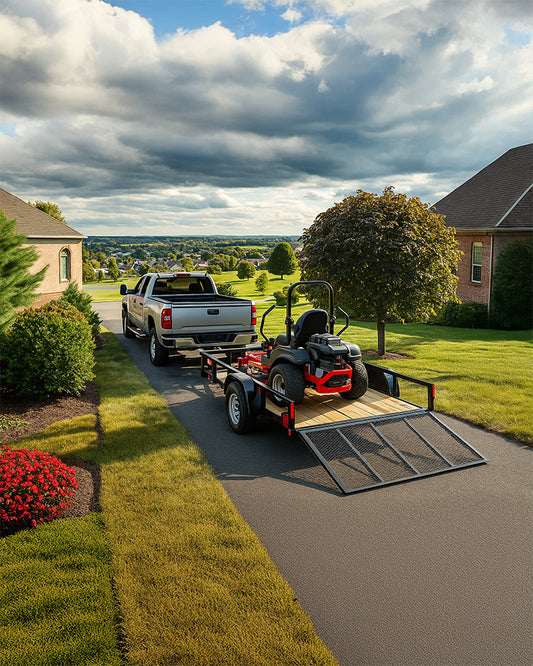
TWD Utility
Regular price From $395.00Regular priceUnit price per
What tools do I need to monitor tire pressure and temperature?
You will need a reliable tire pressure gauge to measure tire pressure accurately and a temperature monitoring system, such as a tire temperature sensor or an onboard TPMS (Tire Pressure Monitoring System), to track tire temperatures effectively.
Why is monitoring tire temperature important?
Monitoring tire temperature is crucial because overheating tires can lead to blowouts or decreased tire lifespan. High temperatures often indicate insufficient pressure, overloading, or brake issues, and catching these problems early can enhance safety and performance.
Can I visually inspect my trailer tires for pressure issues?
While visual inspections can help detect obvious problems like wear or damage, they are not reliable for assessing tire pressure. A tire might appear fine yet be under-inflated or over-inflated, making accurate measurement through a gauge essential.
What should I do if I notice a significant difference in tire pressure?
If you find a significant difference in tire pressure between tires, check for punctures, leaks, or other issues. Inflate the lower tire to match the recommended pressure, and if the discrepancy persists, have the tires examined by a professional.
How does temperature affect tire pressure?
Tire pressure generally decreases in colder temperatures and increases in warmer conditions. For every 10°F change in temperature, you can expect a pressure change of about 1 psi, so it's critical to adjust the pressure accordingly with fluctuations in weather.
What are the dangers of driving with incorrect tire pressure?
Driving with incorrect tire pressure can lead to poor handling, decreased fuel efficiency, increased tire wear, and a higher risk of tire blowouts. Ensuring proper tire pressure is essential for safety and the longevity of your trailer tires.
How can I maintain proper tire pressure on long trips?
During long trips, frequently check tire pressure at rest stops and monitor tire temperatures using a TPMS. Additionally, maintaining consistent load distribution and avoiding overloading can help keep tire pressure within the safe range.
