

The ever-growing demand for ensuring safety and optimizing efficiency in trailer operations has driven innovations in tire sensor technology. Whether you're hitting the road with an RV or managing a fleet of transport trailers, relying on a comprehensive tire monitor system is essential. In this blog post, we'll explore the various benefits that tire sensor technology brings to modern trailers.
Table of Contents
- Table of Contents
- The Importance of Tire Monitoring
- Benefits of Implementing a Trailer TPMS System
- Key Applications
- FAQs
The Importance of Tire Monitoring
A flat tire on a trailer or unexpected trailer blow outs can significantly disrupt travel plans or logistical operations. More seriously, trailer dragging brake issues or lost wheels can lead to accidents on the road. These incidents largely stem from inadequate monitoring of tire conditions, making a robust trailer tire monitor system indispensable.
Benefits of Implementing a Trailer TPMS System
- Real-Time Monitoring: A trailer TPMS (Tire Pressure Monitoring System) offers real-time data on the condition of your trailer wheels tire, including tire pressure and axle temperatures. Anomalies in tire pressure and temperature often precede blow outs or axle failures, allowing preemptive actions to avoid costly hub replacement on a trailer.
- Enhanced Safety: By using a tire temperature monitor, like the TWD RoadCommand, operators can receive alerts about abnormal temperature increases. High temperatures may signal problems such as dragging brakes or failing axle bearings.
- Prolonged Tire Life: Proper inflation levels and consistent monitoring prevent uneven wear. This extends the life of your 14 trailer wheels, which significantly decreases maintenance costs over time.
- Intelligent Monitoring Systems: With smart trailer technology, such as the TWD Utility, the integration of intelligent monitoring systems provides comprehensive oversight of your trailer's condition. This system can alert you in real-time about potential issues before they become critical.
- Cost Efficiency: Proactive maintenance through tire sensor technology reduces the likelihood of expensive road repairs and downtime. Long-term use ensures not only safety but also operational efficiency, leading to savings.
Key Applications
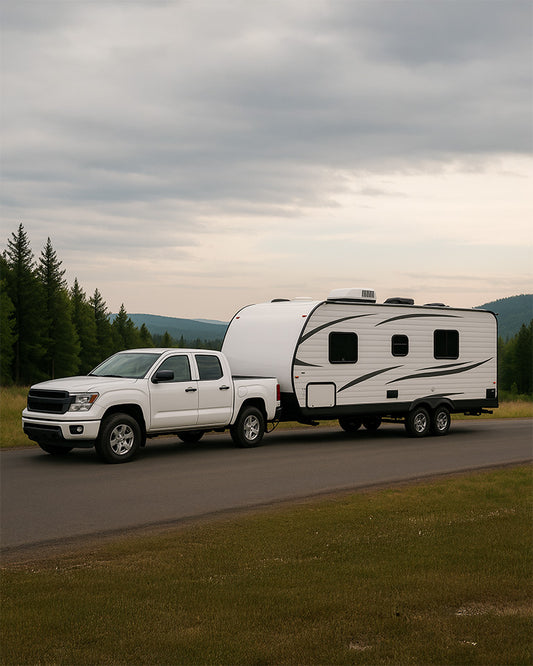
- RV Enthusiasts: The RV lifestyle thrives on the reliability of its components. The TWD EquiGuard helps with rv trailer wheel bearing maintenance, ensuring long adventures remain trouble-free.
- Fleet Managers: Implementing a comprehensive trailer TPMS like the TWD LoadMaster enhances logistical operations. Immediate alerts about tire pressure and axle temperatures enable fleet managers to optimize routes and reduce unplanned stops.
Explore more about how our cutting-edge products can enhance your trailer safety and efficiency by visiting TrailerWatchdog.com.
In conclusion, adopting advanced tire sensor technology is not just about preventing flat tires or blow outs. It's a comprehensive approach to enhancing the safety, efficiency, and longevity of your trailers. Invest in smart solutions like the ones offered by Trailer Watchdog to keep your journeys smooth and worry-free.
FAQs
What is tire sensor technology in trailers?
Tire sensor technology involves the use of devices that monitor the pressure and temperature of trailer tires in real-time. This technology alerts the driver to any issues, such as under-inflation or overheating, helping to ensure safety and improve performance.
How does tire sensor technology improve safety for trailer users?
By providing real-time data on tire conditions, tire sensor technology helps prevent blowouts and tire failures, which can lead to accidents. Early warnings allow drivers to address issues before they become serious, enhancing overall road safety.
Protect your trailer
-
TWD Adventure
Regular price From $395.00Regular priceUnit price per -
TWD Mariner
Regular price From $395.00Regular priceUnit price per -
TWD LoadMaster
Regular price From $495.00Regular priceUnit price per -
TWD Utility
Regular price From $395.00Regular priceUnit price per
Can tire sensor technology help with fuel efficiency?
Yes, properly inflated tires contribute to better fuel efficiency. Tire sensors alert drivers when tire pressure is low, helping them maintain optimal inflation and potentially leading to lower fuel consumption and reduced operating costs.
Are tire sensors easy to install on existing trailers?
Most tire sensor systems are designed for easy installation, often requiring minimal tools and time. Many systems can be retrofitted to existing trailers, making it convenient for users to upgrade their safety features.
Do tire sensors require regular maintenance?
While tire sensors are generally low-maintenance, it's important to periodically check the battery life of the sensors and ensure they are functioning correctly. Regular maintenance will ensure that they continue to provide accurate readings and alerts.
What types of tire sensors are available for trailers?
There are two main types of tire sensors: direct and indirect. Direct sensors measure actual tire pressure and temperature using sensors mounted inside the tire, while indirect sensors estimate tire pressure through the vehicle’s ABS (anti-lock braking system) using wheel speed data.
How can tire sensors extend the life of trailer tires?
By monitoring tire pressure and temperature, these sensors help prevent conditions that can cause premature tire wear, such as over-inflation or under-inflation. Maintaining optimal tire conditions leads to improved tire longevity and better performance.
Will tire sensor technology work with all types of trailers?
Tire sensor technology is versatile and can be used with most types of trailers, including travel trailers, utility trailers, and commercial trailers. However, it is important to choose a system that is compatible with the specific trailer type and tire configuration.
How much does tire sensor technology typically cost?
The cost of tire sensor systems can vary based on the brand and features, ranging from basic models to advanced systems with additional capabilities. While there may be an initial investment, the benefits of enhanced safety and savings on tire maintenance can make it worthwhile.
