

When it comes to the safety and performance of your trailer, understanding the importance of trailer wheel bearings is crucial. These components play a vital role in ensuring that your wheels rotate smoothly and efficiently, which directly impacts your towing experience.
Trailer wheel bearings are designed to minimize friction between moving parts, allowing for seamless operation. Properly maintained bearings prevent excessive wear and tear, which can lead to catastrophic failures if neglected. Here are some key reasons why understanding and maintaining the correct tightness of your trailer wheel bearings is essential:
- Enhanced Safety: Loose or overly tight bearings can lead to wheel separation or brake failure, posing serious risks on the road.
- Improved Performance: Well-maintained bearings ensure optimal wheel performance, which can enhance fuel efficiency and towing capacity.
- Extended Lifespan: Regularly checking and adjusting your bearings can prolong their life, saving you from costly repairs and replacements.
To ensure your trailer remains safe and efficient, it’s essential to routinely inspect and adjust your wheel bearings. Tow with peace of mind, knowing that trailerwatchdog is standing guard.
Signs of Improperly Tight Wheel Bearings
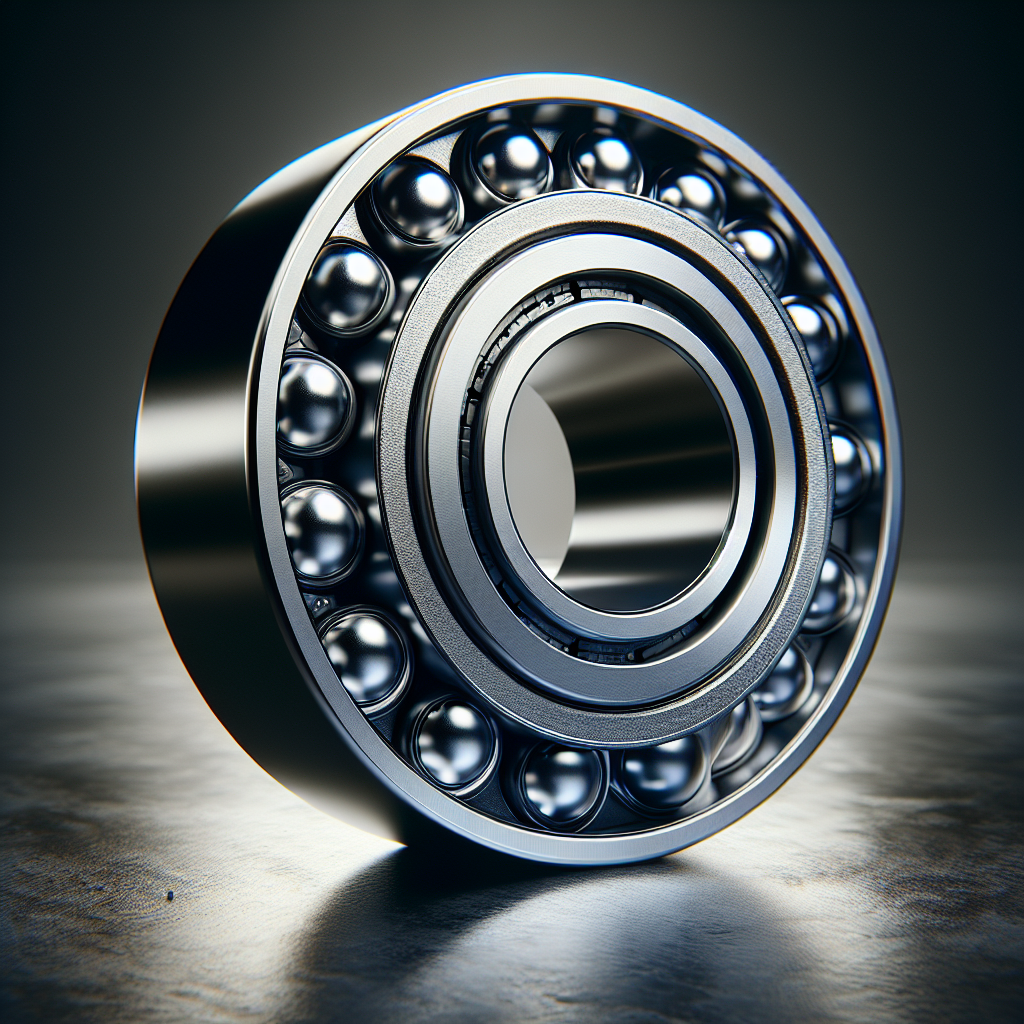
Recognizing the signs of improperly tight wheel bearings is essential for any trailer owner. If your wheel bearings are either too loose or too tight, they can lead to serious issues that affect not only the trailer's performance but also your safety on the road. Here are some telltale signs to look out for:
- Unusual Noises: If you hear grinding, squealing, or rumbling sounds coming from your trailer wheels, it may indicate that the bearings are worn out, misaligned, or improperly adjusted.
- Excessive Heat: During operation, if you notice that the wheel hub feels excessively hot to the touch, this could be a sign of too tight bearings, which create unnecessary friction and heat.
- Wheel Play: If you can wiggle the wheel back and forth, it may indicate that the bearings are too loose. Proper adjustment should allow minimal or no movement.
- Abnormal Tire Wear: If your tires show uneven wear patterns, it might be linked to wheel bearing issues, causing misalignment and poor handling.
Being proactive about these signs can help prevent more serious damage and enhance your trailer's performance. Regular inspection and maintenance of your trailer's wheel bearings are vital in ensuring a safe towing experience.
How to Properly Tighten Trailer Wheel Bearings
Properly tightening your trailer wheel bearings is crucial for ensuring safety and optimal performance. Follow these steps to achieve the right tightness:
- Gather Your Tools: Before starting, make sure you have the necessary tools, including a jack, wheel chocks, a torque wrench, and a bearing packer or grease gun.
- Lift the Trailer: Use a jack to raise the trailer and secure it with wheel chocks to prevent any movement. Remove the wheel and brake drum if necessary to access the hub.
- Inspect the Bearings: Check the condition of the bearings for wear or damage. Clean them thoroughly and repack them with high-quality grease if they are in good condition.
- Adjust the Nut: After the bearings are packed, place them back in the hub. Install the adjusting nut and tighten it to the manufacturer's specifications, usually around 12-15 ft-lbs, ensuring it is snug but not excessively tight.
- Check for Free Play: After tightening, check for any wheel play by rotating the wheel. There should be slight resistance, but it should spin freely without excessive wobble.
- Reassemble: Once satisfied with the adjustment, reassemble the brake drum and wheel. Tighten the lug nuts in a star pattern to the recommended torque specifications.
Regularly checking and adjusting your trailer wheel bearings can prevent costly repairs and ensure a safe towing experience. Make this routine part of your trailer maintenance schedule to avoid issues down the road.
Common Mistakes When Tightening Wheel Bearings
Tightening trailer wheel bearings is a critical task that requires attention to detail. However, many people make mistakes during this process, which can lead to safety hazards and costly repairs. Here are some common pitfalls to avoid:
- Over-tightening: One of the most frequent mistakes is applying excessive torque to the adjusting nut. This can cause the bearings to overheat, leading to premature wear and eventual failure.
- Neglecting Proper Lubrication: Failing to adequately grease the bearings before installation can result in friction and overheating. Always ensure the bearings are properly packed with high-quality grease.
- Ignoring Manufacturer Specifications: Each trailer may have different requirements for tightness. Ignoring the manufacturer’s specifications can lead to improper adjustments, compromising your trailer’s performance.
- Not Checking for Free Play: After tightening, it’s crucial to check for any free play in the wheel. Skipping this step can lead to undetected issues, resulting in dangerous towing conditions.
- Failure to Inspect Bearings: Many neglect to inspect the bearings for wear or damage before reinstalling them. Always check for signs of wear, such as pitting or discoloration, as these can indicate the need for replacement.
- Skipping Regular Maintenance: Some trailer owners overlook the importance of regular checks on wheel bearings. Incorporating this into your maintenance routine is vital to ensure long-term safety and performance.
Avoiding these common mistakes can make a significant difference in your trailer's reliability and safety. By being diligent about proper techniques, you can ensure a secure and efficient towing experience.
The Impact of Wheel Bearing Tightness on Safety

The tightness of trailer wheel bearings plays a crucial role in ensuring the safety of both the vehicle and the cargo it carries. Properly adjusted wheel bearings directly affect the overall performance of the trailer, influencing various safety aspects:
- Stability: When wheel bearings are too loose, it can lead to instability while towing. This instability can affect steering control, particularly during sharp turns or sudden stops, increasing the risk of accidents.
- Heat Generation: Incorrectly tightened bearings can lead to excessive heat buildup due to increased friction. Overheating can cause the grease to break down, resulting in bearing failure, which could lead to a catastrophic wheel lock-up.
- Brake Efficiency: Bearing tightness also impacts brake performance. If the wheel bearings are loose, the wheel hub may wobble, causing uneven brake pad wear and reduced braking efficiency, creating a dangerous situation during emergency stops.
- Tire Wear: Poorly adjusted wheel bearings can lead to uneven tire wear, affecting traction and handling. This not only shortens the lifespan of the tires but can also compromise grip during inclement weather.
- Load Distribution: Properly tightened bearings ensure even load distribution across the trailer's axle. If the load is uneven, it can lead to premature wear and tear on both the trailer and towing vehicle.
In summary, ensuring the correct tightness of wheel bearings is not just a maintenance task; it is a vital component of road safety. Regular inspections and adjustments can significantly reduce the risk of accidents and ensure a safer towing experience.
Regular Maintenance for Trailer Wheel Bearings
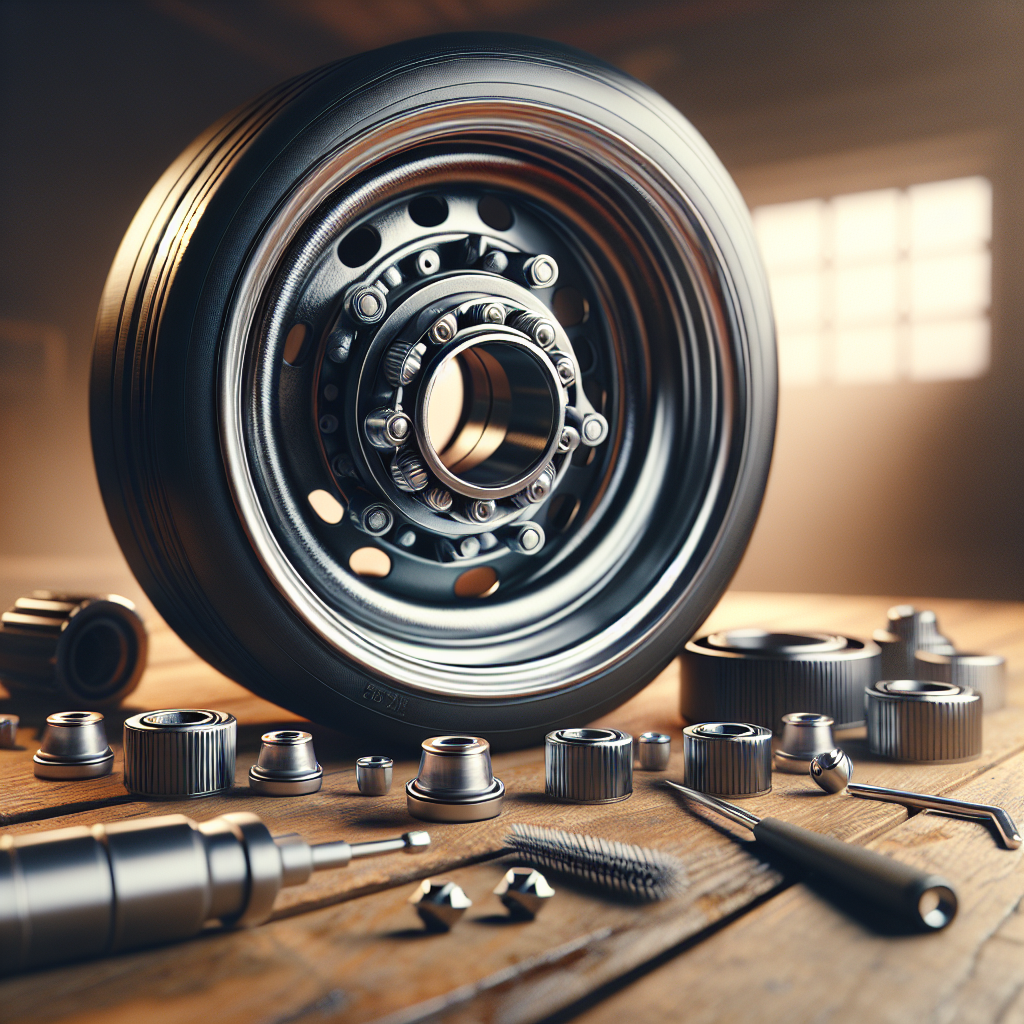
To ensure optimal performance and longevity of your trailer wheel bearings, regular maintenance is essential. This proactive approach not only enhances safety but also promotes the overall functionality of your trailer. Here are some key practices for maintaining wheel bearings:
- Regular Inspections: Conduct thorough inspections of wheel bearings every few months or after long trips. Look for signs of wear, such as unusual noises, excess play in the wheel, or visible damage.
- Grease Replacement: It's vital to replace the grease in the wheel bearings periodically. Over time, grease can break down, losing its effectiveness. Use high-quality grease suited for trailer applications to ensure proper lubrication.
- Tightness Checks: Regularly check the tightness of the wheel bearings. This can be done using a torque wrench to ensure that they meet the manufacturer's specifications. Proper tightness helps prevent overheating and enhances stability.
- Cleaning: When performing maintenance, clean the bearings thoroughly to remove dirt and debris. This helps prevent contamination, which can lead to premature wear and failure.
- Seek Professional Help: If you’re uncertain about the condition of your wheel bearings or how to maintain them, consider seeking assistance from a professional. Regular professional maintenance can catch potential issues before they become serious problems.
By incorporating these maintenance practices into your routine, you can significantly extend the life of your trailer wheel bearings and enhance your towing safety. Tow with peace of mind, knowing that trailerwatchdog is standing guard.
