

In the world of trailers and RVs, axle temperatures play a crucial role in ensuring the safety and efficiency of your journey. Whether you're hauling 14 trailer wheels or embarking on a glamorous RV adventure, monitoring tire and axle conditions can mean the difference between a smooth ride and catastrophic trailer blow outs. In this post, we will explore the importance of maintaining proper axle temperatures and how smart trailer technology, such as a reliable trailer TPMS system, can help you avoid axle failures and flat tire on trailer incidents.
Table of Contents
- Table of Contents
- Understanding the Importance of Axle Temperature Monitoring
- Why Use a Tire Monitor System?
- The Role of Trailer TPMS System
- Essential Maintenance Tips for Long-Lasting Performance
- FAQs
Understanding the Importance of Axle Temperature Monitoring
Axle temperatures can provide key insights into the overall health of your trailer. Elevated temperatures may signal issues like overloading or improper maintenance. These conditions often lead to tire temperature spikes, increasing the risk of trailer dragging brake incidents or, worse, a trailer lost wheel situation.
Why Use a Tire Monitor System?
The integration of a trailer tire monitor or an intelligent trailer monitoring system elevates your road safety by ensuring your tires are functioning optimally. A tire pressure monitor can help you avoid common issues such as tire blowouts and hub replacement trailer needs. By consistently assessing tire sensor data, you can handle potential issues before they lead to costly or dangerous problems.
The Role of Trailer TPMS System
A TPMS, or tire pressure monitoring system, is essential for every smart trailer. It constantly checks your tire pressure, offering peace of mind as you travel. This is particularly important for managing 14 trailer wheels as it provides a comprehensive view of your trailer's condition.
TWD's LoadMaster is an excellent example of sophisticated TPMS technology. It offers features tailored for those who require robust trailer wheels tire monitoring. For adventurers and long-haul travelers, the Adventure system ensures tire temperature and pressure are kept in check, providing a safer journey.
Essential Maintenance Tips for Long-Lasting Performance
- Regular Checks: Consistently inspect your axles and trailer tire monitor data to detect any irregularities. This includes frequent rv trailer wheel bearing maintenance to prevent any decline in performance.
- Respond Promptly: Immediate action on warnings from your TPMS could save you from further damage such as heat-induced axle failures.
- Upgrade Your System: Enhance your vehicle's smart capabilities with products like TWD's RoadCommand for unprecedented command over your trailer's function.
To explore the full range of TWD products that can revolutionize your trailer monitoring experience, visit Trailer Watchdog's official site.
In conclusion, keeping a close eye on axle temperatures and leveraging modern smart trailer technologies like the TWD Utility system allows you to maintain safety, prevent costly repairs, and ensure each journey is a safe one. The investment in a robust trailer TPMS system is small compared to the peace of mind and safety it affords on the road. So, why wait? Elevate your trailer’s safety and performance today.
FAQs
Why is it important to monitor trailer axle temperatures?
Monitoring trailer axle temperatures is crucial because it helps prevent overheating, which can lead to bearing failure, axle damage, and ultimately, towing accidents. Keeping temperatures in check ensures safer and more efficient travels.
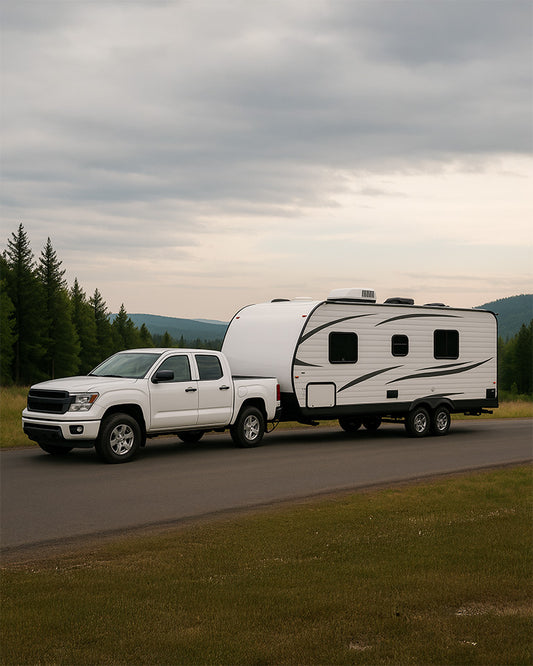
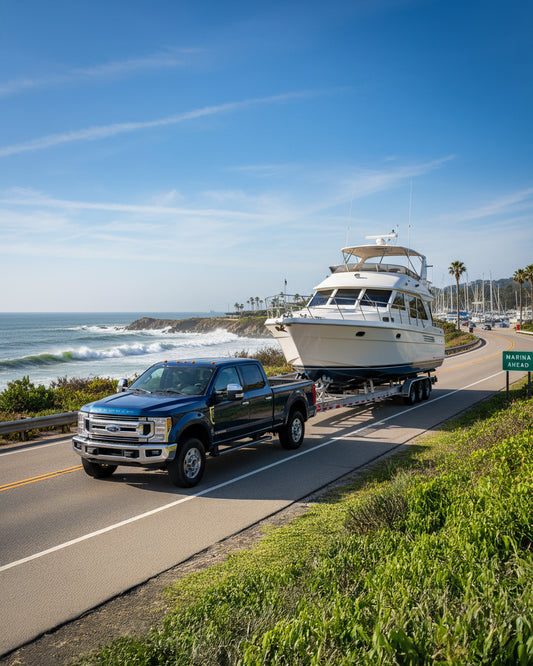
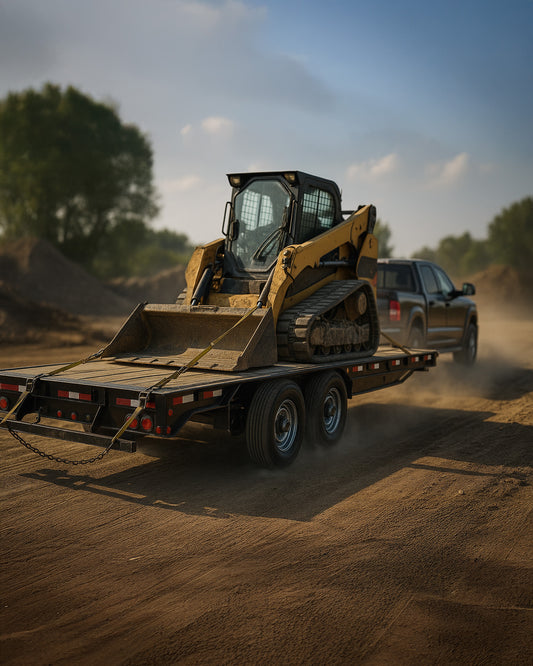
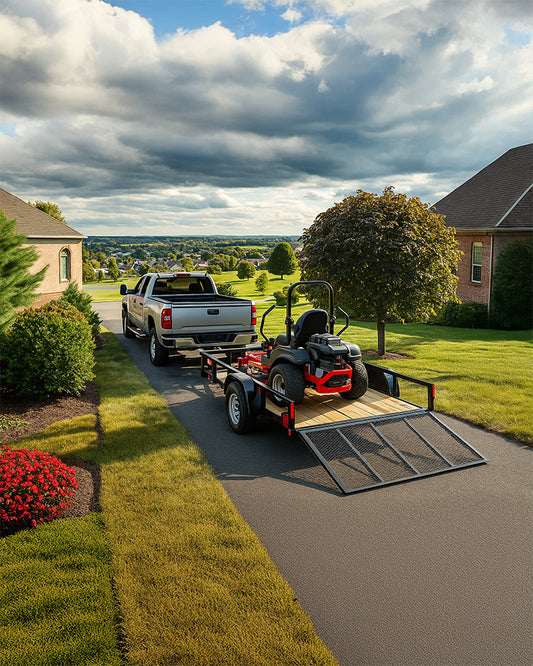
Protect your trailer
-
TWD Adventure
Regular price From $395.00Regular priceUnit price per -
TWD Mariner
Regular price From $395.00Regular priceUnit price per -
TWD LoadMaster
Regular price From $495.00Regular priceUnit price per -
TWD Utility
Regular price From $395.00Regular priceUnit price per
What are the common causes of increased axle temperatures?
Increased axle temperatures can be caused by a variety of factors, including insufficient lubrication, improper wheel alignment, overloading, or damaged components. Regular maintenance can help identify these issues before they result in problems.
How can I check the axle temperatures on my trailer?
You can check axle temperatures by using an infrared thermometer or an axle temperature monitoring system. Both methods allow you to assess the heat generated during operation and identify any potential issues early.
What temperature range should I expect for trailer axles under normal conditions?
Under normal operating conditions, trailer axle temperatures typically range between 180°F to 220°F. Temperatures consistently exceeding this range may indicate underlying problems that need immediate attention.
How does weather impact trailer axle temperatures?
Weather conditions can greatly impact axle temperatures. Hot weather can exacerbate overheating issues, while cold conditions can lead to increased friction if lubrication is too thick. Regular checks are essential regardless of weather conditions.
What maintenance practices help maintain proper axle temperatures?
Regularly inspecting and lubricating wheel bearings, ensuring proper tire pressure, maintaining correct load distribution, and monitoring alignment can significantly help maintain proper axle temperatures.
When should I be concerned about high axle temperatures?
If you notice temperatures consistently above the recommended range or a rapid increase in temperature, you should be concerned. This could indicate a serious issue, and it is advisable to take immediate action to prevent potential failures.
Can high axle temperatures cause damage to my trailer?
Yes, sustained high axle temperatures can lead to significant damage, including the failure of wheel bearings, melting of grease, and even axle deformation. Proper monitoring and maintenance help mitigate these risks.
Are there indicators besides temperature that I should monitor?
Yes, in addition to temperature, keep an eye on signs such as unusual noises, vibrations, increased tire wear, and changes in towing behavior. These can also signal potential axle issues that need to be addressed.
