

In today's fast-paced world, maintaining trailer wheels is not just about routine checks; it's about embracing technology to ensure safety and performance. Trailer TPMS (Tire Pressure Monitoring System) innovations are at the forefront, enhancing how we monitor not only tire pressure but also axle temperatures and tire health. At Trailer WatchDog, we're dedicated to providing smart solutions for effective wheel maintenance.
Table of Contents
- Table of Contents
- The Evolution of Tire Monitor Systems
- The Safety and Efficiency of Trailer TPMS Systems
- The Role of Tire Sensors in Preventive Maintenance
- Why Choose an Intelligent Monitoring System?
- FAQs
The Evolution of Tire Monitor Systems
Trailer tire monitor systems are evolving rapidly, offering more than just alerts for flat tires on a trailer. These systems incorporate tire temperature monitors, enabling users to track the critical conditions of their trailer wheels in real-time. With advancements in technology, intelligent trailer monitoring systems like the TWD RoadCommand offer a comprehensive view of tire and axle health, reducing the risk of trailer blow-outs and axle failures.
The Safety and Efficiency of Trailer TPMS Systems
Modern TPMS systems are not just about convenience but ensuring trailering is as safe as possible. Innovations in TPMS allow you to monitor fourteen trailer wheels simultaneously, giving you peace of mind whether you're towing a heavy load or navigating rough terrains. By closely observing tire pressures and axle temperatures, these systems help prevent catastrophic failures such as a trailer dragging brake or even a lost wheel.
Featured Products
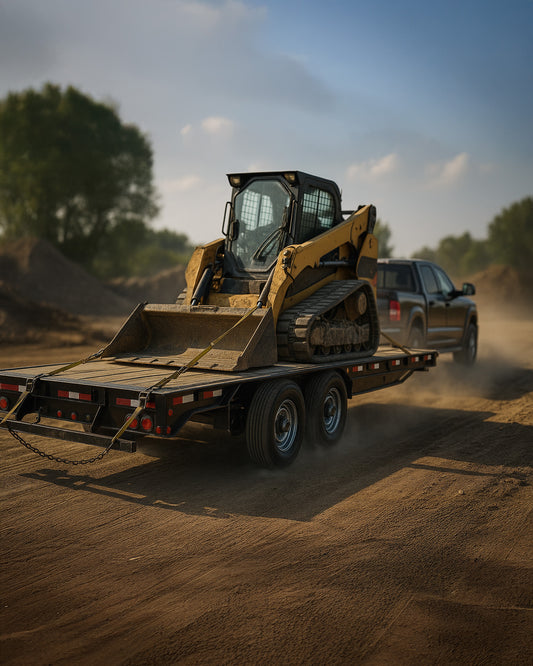
- TWD LoadMaster: A non-stop tracker for high-load trailers, ensuring tire sensors are active for precise pressure and temperature readings.
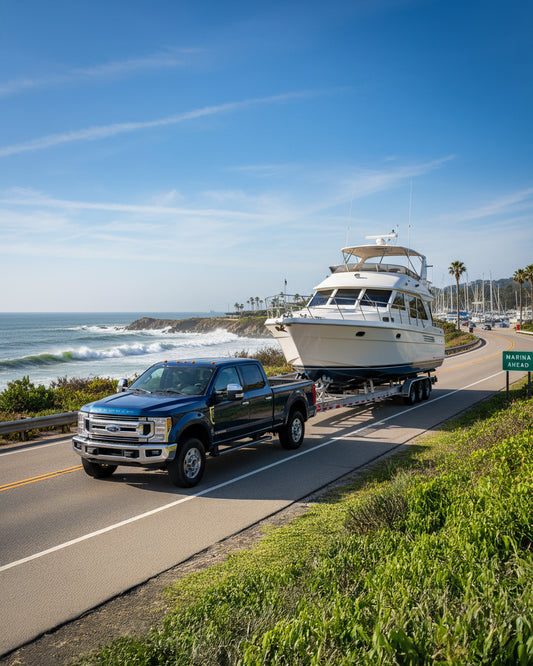
- TWD Mariner: Perfect for those on the water, it offers specialized monitoring capabilities for maintaining ideal trailer tire conditions even in the toughest environments.
- TWD RoadCommand: Offers cutting-edge features to keep you informed about any potential issues, ensuring you avoid untimely hub replacements and maintain optimal trailer wheel bearing health.
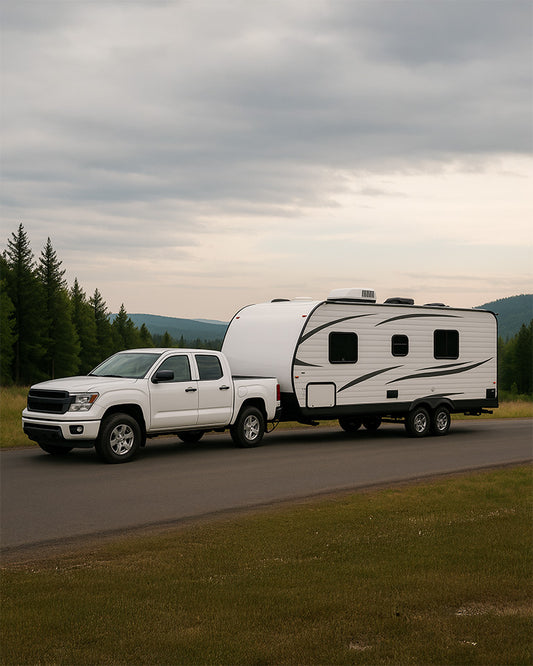
- TWD Adventure: Tailored for the adventurous at heart, it guarantees seamless monitoring to prevent trailer lost wheels and similar misadventures.
The Role of Tire Sensors in Preventive Maintenance
Tire sensors are vital in predicting and preventing potential emergencies before they occur. Understanding the importance of preemptive steps like rv trailer wheel bearing maintenance, tire sensors offer insights that are invaluable to trailer safety and cost-saving in the long run.
Why Choose an Intelligent Monitoring System?
Adopting a smart trailer system takes wheel maintenance to a new level of intelligence and safety. By employing a tire pressure monitor and continuous data from tire temperature monitors, these systems offer real-time updates and alerts directly to your devices, ensuring you can react promptly to any changes in trailer conditions.
In conclusion, a modern TPMS is not just a luxury; it's a necessity for anyone serious about maintaining their trailer's peak performance. Investing in a tire monitor system like those offered by Trailer WatchDog is an investment in safety, longevity, and peace of mind. Visit Trailer WatchDog to explore how our products can suit your specific trailer needs.
FAQs
What is a TPMS and how does it work for trailers?
A Tire Pressure Monitoring System (TPMS) for trailers is a safety technology that continuously monitors the air pressure and temperature of tires. It uses sensors to detect any deviations from the optimal pressure range, alerting the driver through a display panel or smartphone app if there are any issues.
Protect your trailer
-
TWD Adventure
Regular price From $395.00Regular priceUnit price per -
TWD Mariner
Regular price From $395.00Regular priceUnit price per -
TWD LoadMaster
Regular price From $495.00Regular priceUnit price per -
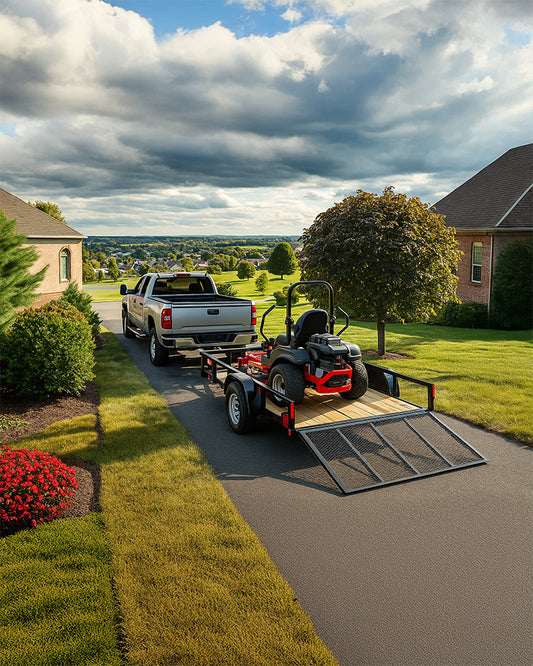
TWD Utility
Regular price From $395.00Regular priceUnit price per
What are the main benefits of using a TPMS on my trailer?
The primary benefits of using a TPMS include enhanced safety through the prevention of blowouts, improved fuel efficiency due to properly inflated tires, reduced tire wear, and increased overall lifespan of the tires by maintaining optimal pressure levels.
Can a TPMS help detect issues beyond tire pressure?
Yes, many advanced TPMS systems can also monitor tire temperature. This dual monitoring can provide alerts for potential overheating, which can be a precursor to tire failure, giving drivers the opportunity to rectify the issue before it leads to a more serious problem.
How can TPMS contribute to cost savings in trailer maintenance?
By ensuring tires are consistently at the correct pressure, a TPMS can help prevent premature tire wear and the need for frequent replacements. Additionally, improved fuel efficiency due to properly inflated tires translates into cost savings over time.
Are there different types of TPMS available for trailers?
Yes, TPMS comes in two main types: direct and indirect. Direct TPMS uses sensors within the tire to measure pressure and temperature, while indirect TPMS calculates these metrics based on the vehicle's wheel speed sensors. Each type offers distinct advantages, depending on the trailer's use and requirements.
What should I consider when choosing a TPMS for my trailer?
When selecting a TPMS, consider factors such as compatibility with your trailer type, the number of axles, ease of installation, and the range of monitoring capabilities. Additionally, look for features like real-time alerts and mobile app integration for added convenience.
How often should I check or calibrate my trailer's TPMS?
While a TPMS automates many monitoring tasks, it’s still good practice to check your system’s sensors regularly and calibrate as needed, especially after a tire change or significant temperature fluctuations. Consulting the manufacturer's guidelines can provide specific recommendations.
Can a TPMS improve safety while hauling heavy loads?
Absolutely. A properly functioning TPMS helps ensure that tires are well-maintained, which is crucial when hauling heavy loads. By monitoring tire pressure and temperature, it reduces the risk of tire failure, enhancing safety during transport.
How does weather affect the performance of a trailer TPMS?
Extreme temperatures can affect tire pressure; cold weather typically decreases pressure while heat increases it. A TPMS can accurately track these changes, providing alerts if the temperature or pressure reaches concerning levels, thereby promoting safety regardless of weather conditions.
