

In the world of trailers, from RVs to utility trailers, ensuring your trip is safe and smooth boils down to one crucial aspect – proper tire and axle management. This is where a tire monitor system, or TPMS, becomes your best ally. The advancement of smart trailer technology, particularly in tire pressure monitoring systems, is reshaping the landscape of trailer safety, helping to stave off axle failures and unexpected trailer blow outs.
Table of Contents
- Table of Contents
- The Importance of TPMS in Trailer Safety
- How TPMS Prevents Axle Failures
- TWD Solutions for Better Trailer Maintenance
- FAQs
The Importance of TPMS in Trailer Safety
Tire pressure and temperature are often overlooked elements that play a pivotal role in preventing axle failures. A trailer TPMS system is an intelligent trailer monitoring system designed to keep an eye on these critical factors. By consistently monitoring both the tire pressure and axle temperatures, a TPMS helps in preventing issues before they arise, making it a game-changer in trailer maintenance.
For instance, maintaining the right tire pressure and temperature can prevent a flat tire on a trailer, a situation that often leads to dangerous trailer dragging brake incidents or even the trailer lost wheel calamities. With TPMS, you can avert these potential mishaps by being informed in real-time about any issue with your trailer tires.
How TPMS Prevents Axle Failures
Axle failures can be a consequence of prolonged stress on the trailer due to improper tire conditions. A TPMS keeps tabs on trailer wheels and can alert you to irregularities in tire pressure that might indicate a future problem, thereby allowing you to take preventative measures. By avoiding uneven tire wear, you also prevent the need for frequent hub replacement trailer services.
TWD Solutions for Better Trailer Maintenance
Whether you are towing an RV or hauling equipment with a utility trailer, having a tire temperature monitor integrated through TWD products can vastly improve your driving experience. Here are some TWD products designed to enhance trailer safety:
- TWD RoadCommand: Perfect for those who require a comprehensive trailer monitoring system, this product provides vital information about not just tire pressure but also axle temperatures.
- TWD LoadMaster: Specifically designed for heavy loads, ensuring your trailer wheels tire are well-monitored and secure, preventing overloading that could lead to axle failures.
- TWD Utility: Ideal for general utility trailers, offering a robust trailer tire monitor that guards against tire and axle-related issues effectively.
Investing in a reliable TPMS is a smart choice for anyone seeking peace of mind on the road. Keeping your trailer's performance top-notch not only prolongs the life of your trailer but also supports RV trailer wheel bearing maintenance, ensuring every journey is a safe one.
For more insights into preventing trailer axle failures and other related products, visit Trailer Watchdog.
FAQs
What is TPMS and how does it work in trailers?
TPMS stands for Tire Pressure Monitoring System. It constantly monitors the air pressure in trailer tires, alerting the driver to any significant changes. By maintaining optimal tire pressure, TPMS helps prevent overheating, blowouts, and ultimately, axle failures.
Protect your trailer
-
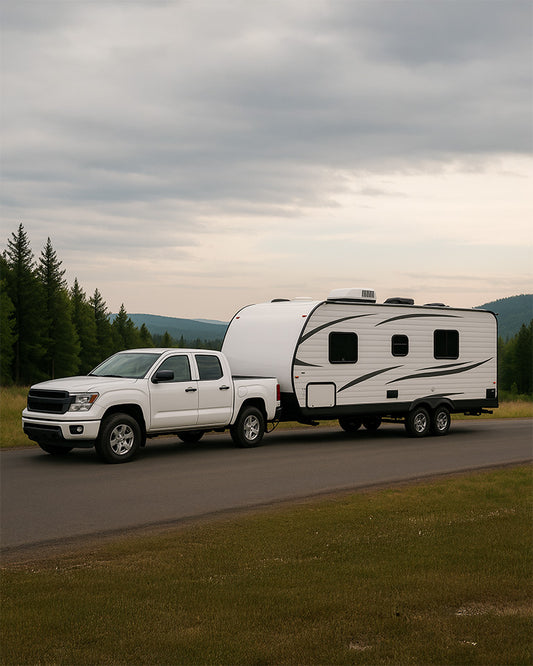
TWD Adventure
Regular price From $395.00Regular priceUnit price per -
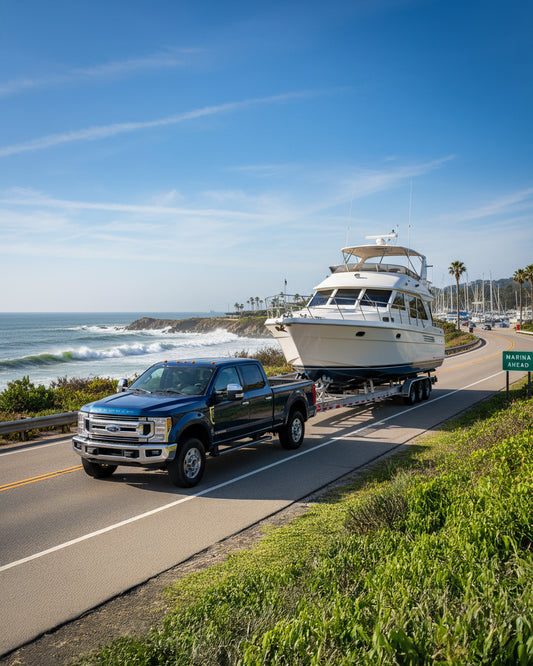
TWD Mariner
Regular price From $395.00Regular priceUnit price per -
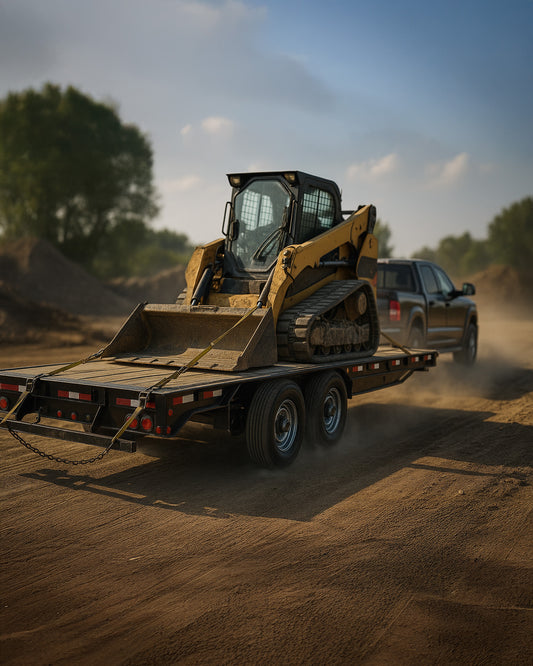
TWD LoadMaster
Regular price From $495.00Regular priceUnit price per -
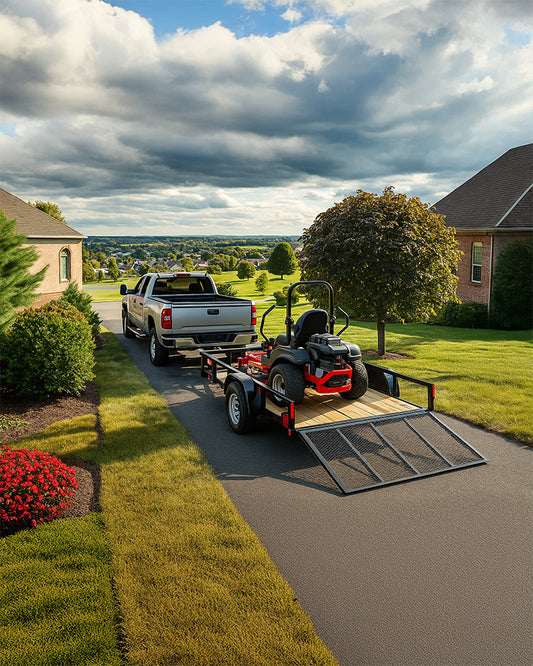
TWD Utility
Regular price From $395.00Regular priceUnit price per
Why is maintaining proper tire pressure important for trailers?
Proper tire pressure is crucial as it ensures even weight distribution, enhances traction, and reduces tire wear. Under-inflated or over-inflated tires can lead to increased stress on the trailer's axles, heightening the risk of potential failures.
How can TPMS help prevent trailer axle issues?
By providing real-time data on tire pressure, TPMS allows drivers to address tire problems before they escalate. Maintaining proper tire pressure through TPMS reduces the strain on axle components, contributing to their longevity and reliability.
Are there different types of TPMS available for trailers?
Yes, TPMS comes in two main types: direct and indirect. Direct TPMS uses sensors in each tire to provide accurate pressure readings, while indirect systems monitor wheel speed to infer tire pressure. The appropriate type depends on the specific needs and setup of the trailer.
How can I tell if my trailer’s TPMS is functioning properly?
Regularly check the TPMS display for any warning lights or alerts indicating low tire pressure. Additionally, periodically inspect the sensors and batteries to ensure they are operational, and consider recalibrating the system after significant tire changes or rotations.
What are the common signs of trailer axle failure?
Common signs include unusual vibrations while towing, uneven tire wear, difficulty steering, and visible damage to the axle itself. Additionally, TPMS alerts can help spot potential tire issues that might lead to axle failure before they become serious.
Can I install TPMS on my existing trailer?
Yes, many aftermarket TPMS solutions are available that can be easily installed on existing trailers. It’s essential to choose a system compatible with your trailer model and ensure proper installation for accurate monitoring.
How often should I check my trailer’s tire pressure when using TPMS?
Although TPMS provides continuous monitoring, it's still good practice to visually inspect the tire pressure regularly, especially before long trips. Seasonally changing weather can affect tire pressure, so checking regularly helps maintain optimal conditions.
Is TPMS a legal requirement for all trailers?
Currently, TPMS is not a legal requirement for all trailers, but it is mandated for certain larger vehicles in some regions. Regardless of legal requirements, many owners find that investing in TPMS can enhance safety and reduce maintenance costs over time.
