

In the world of trailers, the importance of maintaining optimal tire performance cannot be overstated. Whether you're hauling cargo or enjoying a road trip in your RV, the health of your trailer tires directly impacts safety and reliability. Trailer blow outs, axle failures, and flat tires on trailers are critical issues that can lead to substantial damage and costly repairs. This is where the role of Tire Pressure Monitoring Systems (TPMS) becomes indispensable.
Table of Contents
- Table of Contents
- The Crucial Role of TPMS
- Why Tire Monitoring Matters
- Benefits of Smart Trailer Monitoring
- TWD Solutions for Optimal Trailer Safety
- Conclusion
- FAQs
The Crucial Role of TPMS
A Tire Pressure Monitoring System (TPMS) is designed to monitor the air pressure inside pneumatic tires on various types of trailers. These intelligent trailer monitoring systems serve as a safeguard, providing real-time insights into tire conditions—essential data that can help prevent accidents due to trailer blow outs.
Why Tire Monitoring Matters
- Tire Pressure Monitoring: One of the primary functions of a TPMS is keeping tabs on the tire pressure. When the tire pressure drops below a safe threshold, the system alerts the driver. This immediate alert allows for timely intervention, preventing potential tire and axle issues.
- Tire Temperature Monitoring: Beyond pressure, a tire temperature monitor adds another layer of safety. High tire temperatures can indicate overloading, underinflation, or dragging brakes—all of which can lead to blow outs or worse.
- Comprehensive Trailer Tire Monitoring: Advanced systems like the TWD RoadCommand offer a holistic approach, allowing you to keep track of tire pressures, temperatures, and even axle temperatures.
Benefits of Smart Trailer Monitoring
With smart trailer solutions, you gain access to a crucial safety network that ensures:
- Early Detection of Issues: Be alerted to problems before they cause trailer dragging brakes, trailer lost wheel occurrences, or the need for hub replacement trailer parts.
- Increased Lifespan for Tires: Proper maintenance fueled by real-time monitoring can extend the life of your tires, saving money and time in the long run.
- Reduced Risk of Accidents: By preventing blow outs and other incidents, a tire sensor system safeguards not only your trailer but also the lives of everyone on the road.
TWD Solutions for Optimal Trailer Safety
Our advanced products cater to various needs:
- If you're seeking a robust solution for comprehensive monitoring across multiple variables such as tire pressure and axle health, the TWD RoadCommand is your go-to choice.
- For practical utility applications, consider the TWD Utility which is engineered to meet the demands of versatile trailer operations.
- For those involved in heavy load management, the TWD LoadMaster ensures that your 14 trailer wheels stay secure under pressure.
Conclusion
Investing in a reliable tire monitor system is an essential step in ensuring the safety and efficiency of your trailer operations. Preventative monitoring with a trailer TPMS system like the ones offered by Trailer Watchdog empowers you with the knowledge needed to tackle any tire-related issue proactively.
Discover more about how these systems can revolutionize your trailer's safety and performance at Trailer Watchdog.
FAQs
What is a trailer blowout?
A trailer blowout occurs when a tire ruptures unexpectedly while in use, leading to a sudden loss of air pressure. This can cause the trailer to become unstable and difficult to control, posing safety risks on the road.
Protect your trailer
-
TWD Adventure
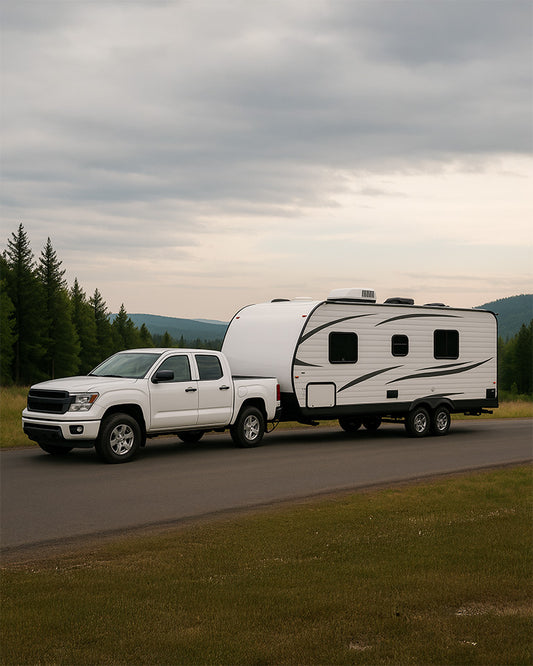
Regular price From $395.00Regular priceUnit price per -
TWD LoadMaster
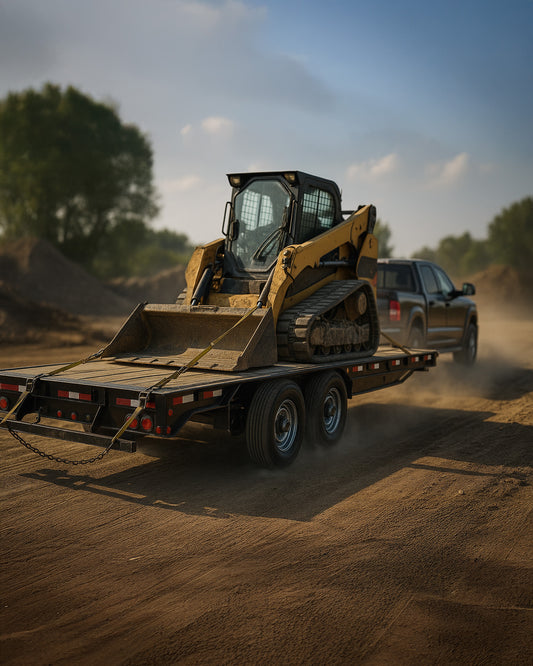
Regular price From $495.00Regular priceUnit price per -
TWD Utility
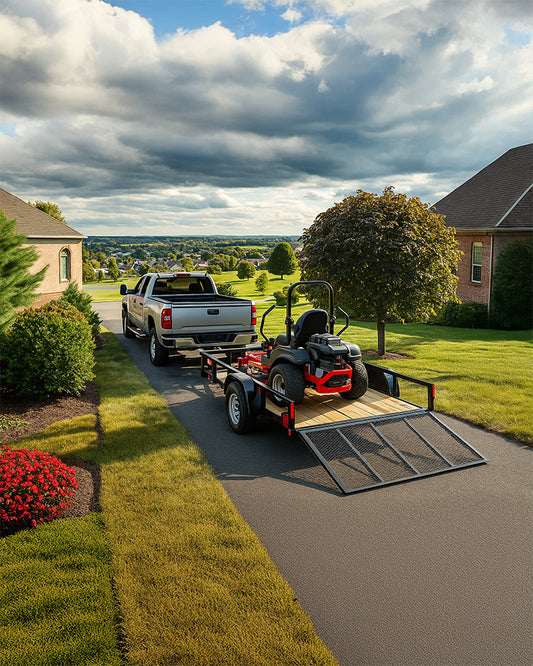
Regular price From $395.00Regular priceUnit price per -
TWD Mariner
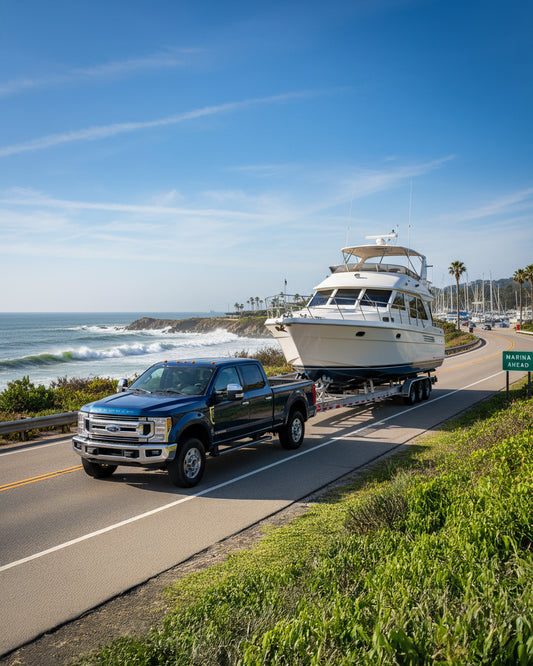
Regular price From $395.00Regular priceUnit price per
How does tire pressure affect trailer safety?
Proper tire pressure is crucial for maintaining traction, ensuring even tire wear, and preventing blowouts. Under-inflated tires can overheat and fail, while over-inflated tires can be more susceptible to damage from road hazards.
What is a Tire Pressure Monitoring System (TPMS)?
A Tire Pressure Monitoring System (TPMS) is a technology that continuously monitors the air pressure in your trailer's tires. It alerts the driver when tire pressure drops below a certain threshold, helping to prevent blowouts and improve safety.
How do I know if my TPMS is working correctly?
Most TPMS have a warning light on the dashboard that activates when tire pressure is too low. Additionally, you can regularly check the individual tire pressure with a manual gauge to verify the readings provided by the TPMS for accuracy.
What are the benefits of having a TPMS on my trailer?
A TPMS helps enhance safety by providing real-time tire pressure information, which can prevent blowouts and improve fuel efficiency. It also helps extend tire life by ensuring optimal pressure is maintained.
Can I install a TPMS on an older trailer?
Yes, many TPMS models are designed for easy installation on older trailers. These systems often involve placing sensors on the tire valves and connect to a monitor in the vehicle to provide tire pressure readings.
How often should I check my trailer tire pressure?
It's recommended to check your trailer tire pressure at least once a month and before any long trips. Additionally, tire pressure should be checked when tires are cold for accurate readings.
What are the signs that my trailer tires may be under-inflated?
Signs of under-inflated tires include uneven wear patterns, bulging sidewalls, difficulty steering, and poor fuel economy. Regular checks and monitoring with a TPMS can help detect these issues early.
Is it necessary to calibrate my TPMS?
Yes, it's important to calibrate your TPMS according to the manufacturer's specifications. Calibration helps ensure that the system provides accurate pressure readings based on the specific tire inflation requirements for your trailer.
