

Owning a trailer--whether for personal use with an RV or for professional hauling--comes with enormous responsibilities. One of those is ensuring your trailer’s wheels are in optimal condition to avoid the dreaded trailer blow outs. A tire monitor system is indispensable for achieving this goal.
Table of Contents
- Table of Contents
- Understanding the Risks
- The Role of Trailer Tire Monitor Systems
- Benefits of Using a Trailer TPMS System:
- Preventing Common Issues with Tire Temperature Monitor
- Smart Trailer Technology
- Final Thoughts
- FAQs
Understanding the Risks
Trailer blow outs, caused by inadequate tire pressure, can lead to significant damage, pose safety risks, and disrupt travel plans. Imagine driving on a busy highway when an under-inflated tire gives way, causing your trailer to lose control. These situations underline why a tire pressure monitor is not just a convenience; it’s a necessity.
By monitoring tire pressure and temperature, you can anticipate failures before they occur. By doing so, you mitigate the risk of blow outs and axle failures.
The Role of Trailer Tire Monitor Systems
Trailer TPMS (Tire Pressure Monitoring Systems) are instrumental in delivering real-time data about your trailer’s condition. These intelligent trailer monitoring systems work by continuously tracking tire pressure and tire temperature.
Benefits of Using a Trailer TPMS System:
- Early Warning Alerts: Systems like the TWD RoadCommand offer early alerts about pressure and temperature anomalies, giving you time to act before a problem escalates.
- Enhanced Safety: With constant vigilance over your 14 trailer wheels, TPMS helps you maintain safe driving conditions and prevent flat tires on your trailer.
- Cost Efficiency: A trailer TPMS can help prolong tire life and prevent costly repairs, such as axle or hub replacement on a trailer.
Preventing Common Issues with Tire Temperature Monitor
High tire temperatures often signal underlying problems, such as dragging brakes or improper tire inflation. Devices like the TWD Adventure offer more than just pressure data; they provide insights into axle temperatures, enhancing your awareness and control over potential issues.
Smart Trailer Technology
Integrating smart trailer technology, such as intelligent trailer monitoring systems, allows for proactive maintenance. It can alert you to potential rv trailer wheel bearing maintenance needs and even detect axle temperature fluctuations that might lead to a trailer lost wheel scenario.
Final Thoughts
Don't wait for a breakdown moment to realize the critical importance of a trailer tire monitor. Equip your trailer with a robust system that ensures peace of mind by opting for products like the TWD EquiGuard and TWD Utility. Each system is designed to keep you on the road safely, whether you're hauling cargo or enjoying a cross-country RV adventure.
Explore more about these life-saving innovations and secure a safer journey for you and your trailer by visiting Trailer Watchdog.
Protect your trailer
-
TWD Adventure
Regular price From $395.00Regular priceUnit price per -
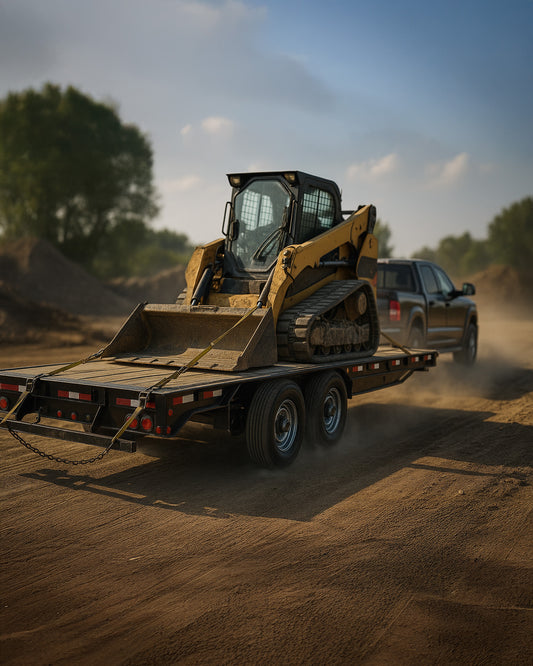
TWD LoadMaster
Regular price From $495.00Regular priceUnit price per -
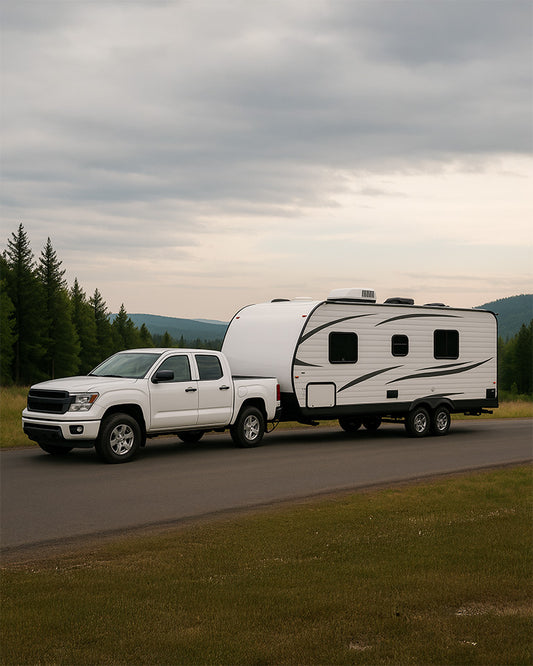
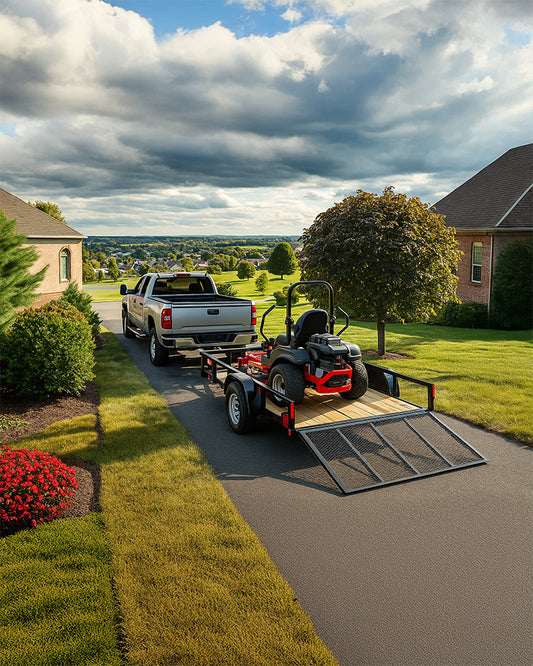
TWD Utility
Regular price From $395.00Regular priceUnit price per -
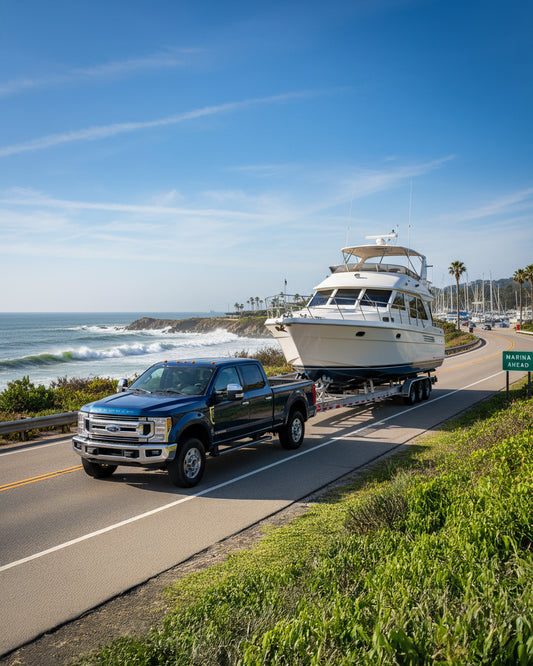
TWD Mariner
Regular price From $395.00Regular priceUnit price per
FAQs
What is a Tire Pressure Monitor System (TPMS)?
A Tire Pressure Monitor System (TPMS) is a system that continuously monitors the air pressure in your vehicle's tires and provides real-time data to ensure they are properly inflated.
How does a TPMS help prevent trailer blowouts?
A TPMS alerts you to any significant drop in tire pressure, which can indicate a potential blowout or tire failure. By addressing issues early, you can avoid dangerous situations on the road.
What are the main types of TPMS available for trailers?
There are two primary types of TPMS: direct and indirect. Direct TPMS uses sensors mounted on each tire to provide exact pressure readings, while indirect TPMS utilizes the vehicle's ABS system to estimate tire pressure based on wheel speed.
Can a TPMS help improve fuel efficiency?
Yes, maintaining optimal tire pressure with a TPMS can improve fuel efficiency. Properly inflated tires reduce rolling resistance, which can lead to better gas mileage and lower fuel costs during your trips.
How often should I check my trailer tires, even with a TPMS?
Regularly check your trailer tires at least once a month, or before any long trips, to ensure they maintain proper pressure and to inspect for wear or damage.
Is installing a TPMS complicated?
Installing a TPMS can vary in complexity depending on the system you choose. Many systems are designed for easy installation and can be done by the owner, while others may require professional assistance.
Will a TPMS work for all types of trailers?
Most TPMS are adaptable and can be used with various types of trailers, including travel trailers, utility trailers, and fifth wheels. However, it’s essential to choose a system compatible with the specific size and weight of your trailer.
What are the consequences of ignoring low tire pressure warnings?
Ignoring low tire pressure warnings can lead to severe tire damage, including blowouts, which could cause accidents. Low pressure can also lead to increased tire wear, decreased fuel efficiency, and compromised handling.
How much should I expect to spend on a TPMS for my trailer?
The cost of a TPMS can vary widely based on features and brand. Basic systems may be available for a few hundred dollars, while advanced systems with multiple features may range higher. It's an investment in safety and efficiency for your trailer.
