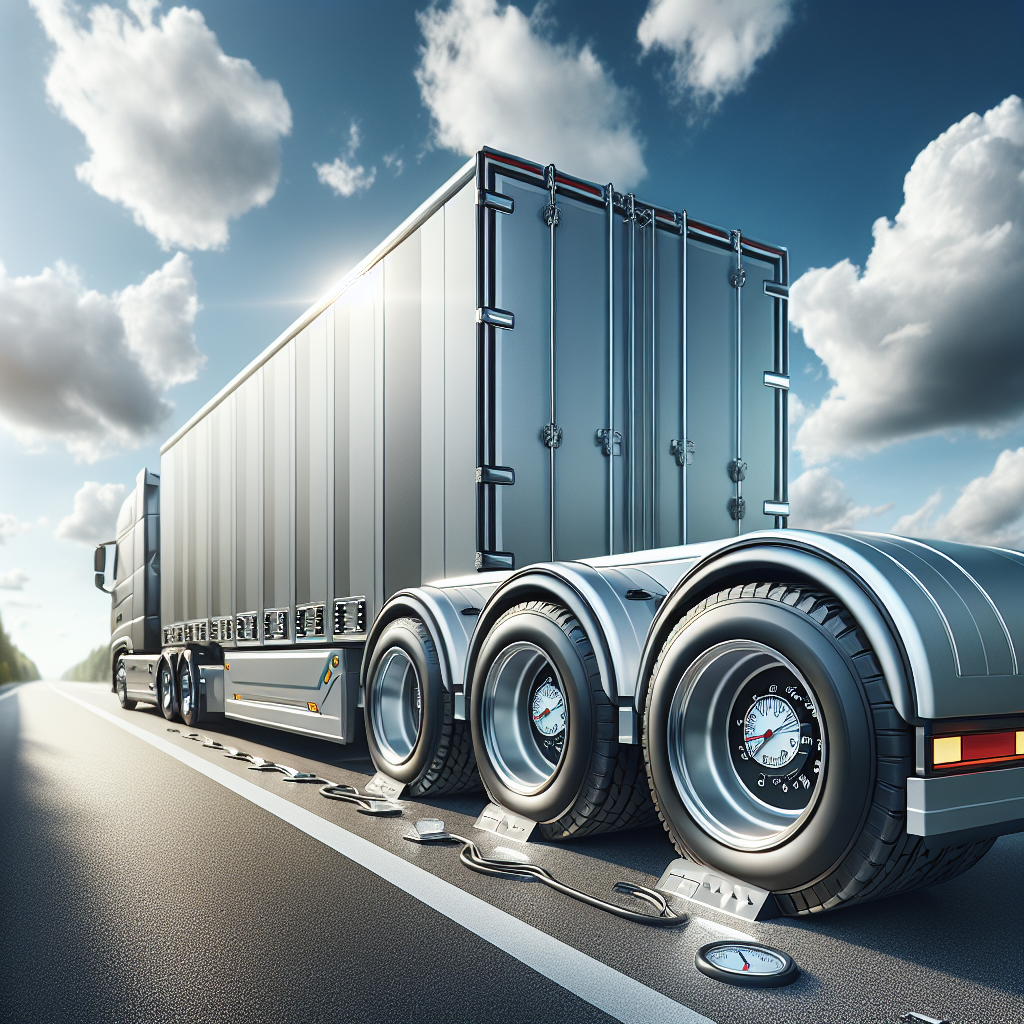
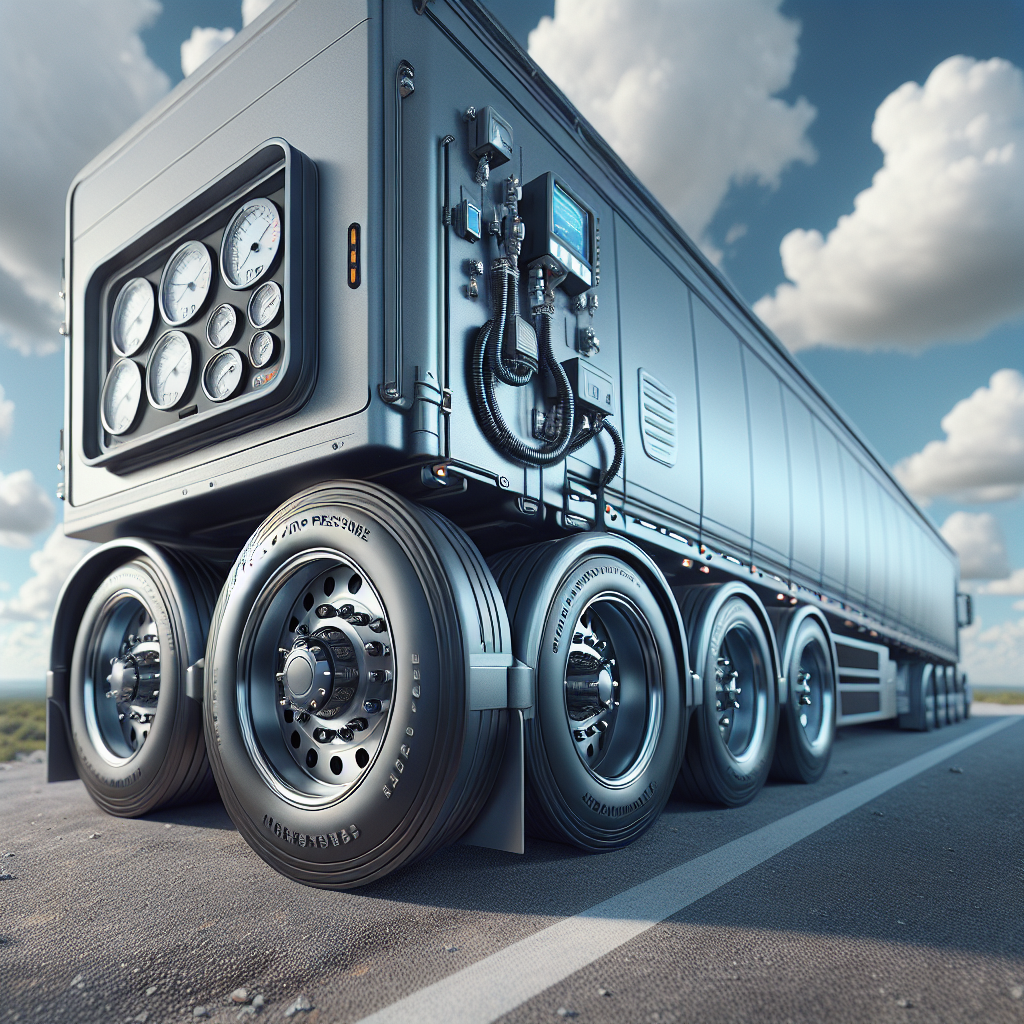
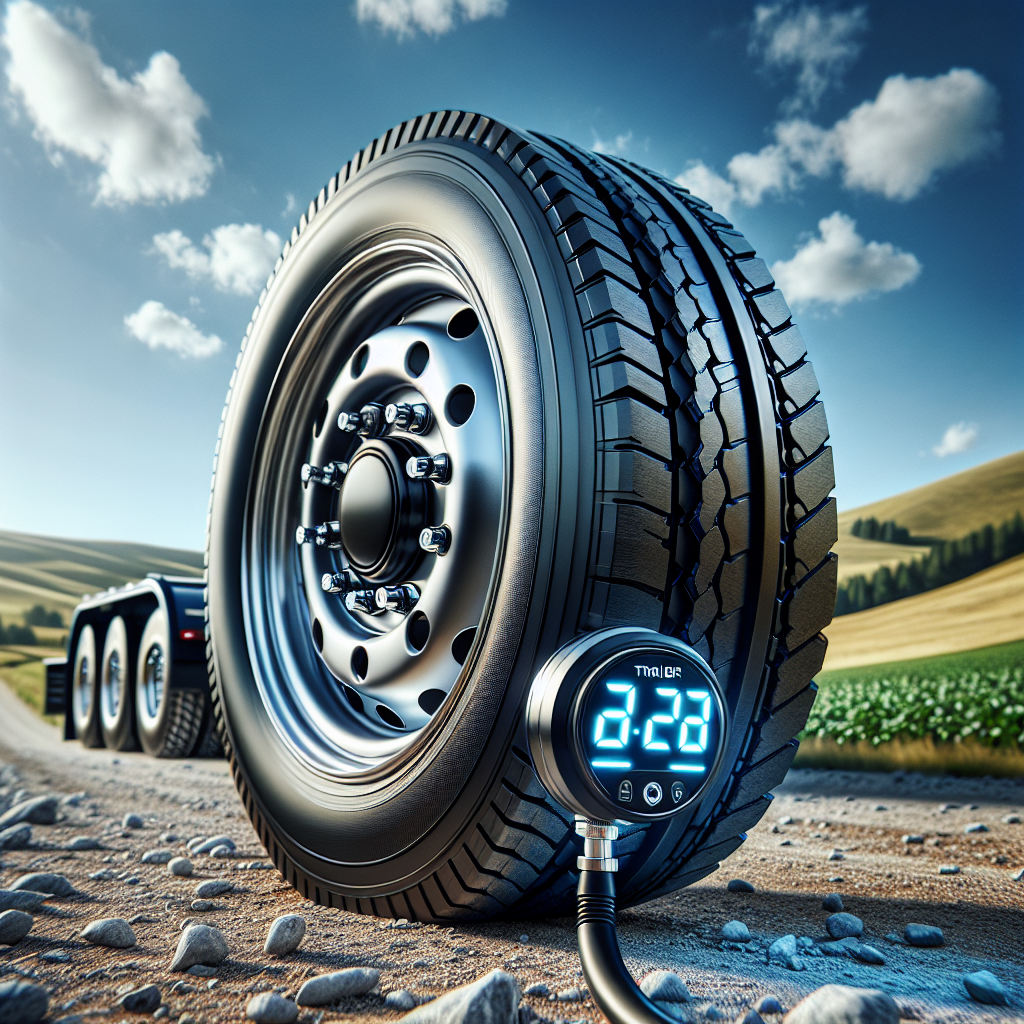
Maintaining optimal air pressure in your trailer tires is crucial for ensuring safety and performance on the road. A trailer air pressure monitor serves as an essential tool to achieve this by providing real-time data about tire pressure levels. Proper tire pressure not only affects traction and fuel efficiency, but it also significantly influences the lifespan of your tires.
Consider the following reasons why monitoring air pressure is vital:
Prevention of Blowouts: Under-inflated tires are more prone to blowouts, which can lead to catastrophic accidents. A trailer air pressure monitor alerts you to any deviations from the recommended pressure, allowing for timely adjustments.
Enhanced Safety: Consistent tire pressure ensures better handling and stability, reducing the risk of skidding or losing control.
Improved Fuel Efficiency: Properly inflated tires decrease rolling resistance, resulting in better fuel economy—an essential factor for long-haul drivers.
Longer Tire Life: Maintaining the right air pressure helps distribute weight evenly across the tires, minimizing wear and extending their lifespan.
By integrating a trailer air pressure monitor into your towing setup, you can significantly enhance safety and performance. Don't leave your trailer's safety to chance; tow with peace of mind, knowing that trailerwatchdog is standing guard. Visit trailerwatchdog.com to learn more about our innovative monitoring solutions.
How Trailer Air Pressure Monitors Enhance Safety
Trailer air pressure monitors play a vital role in enhancing safety during towing operations. These devices continuously track the air pressure in your trailer tires and provide real-time feedback, helping you make informed decisions while on the road. Here’s how they contribute to a safer towing experience:
Real-Time Alerts: Most modern trailer air pressure monitors come equipped with alert systems that notify you immediately if tire pressure falls below safe levels. This proactive measure allows you to address issues before they escalate into dangerous situations.
Comprehensive Monitoring: Beyond just tire pressure, these systems often monitor temperature and other critical parameters. By keeping tabs on these factors, you can prevent overheating and other issues that might compromise safety.
Data Analysis: Many advanced monitors provide historical data, allowing you to analyze trends over time. Understanding these patterns can help you identify potential problems before they become serious, enhancing overall safety.
Increased Awareness: With a dedicated monitoring system, drivers are more aware of their trailer's condition. This heightened awareness fosters better decision-making and encourages regular maintenance checks, further promoting safety.
Investing in a trailer air pressure monitor is not only a smart choice for performance but also a crucial step towards ensuring the safety of your towing operations. With these devices, you can drive with greater confidence, knowing that you have the tools to manage and mitigate risks effectively.
Preventing Tire Blowouts with Smart Monitoring Systems
Tire blowouts are one of the most common and dangerous incidents faced by trailer owners. These occurrences can result in loss of control, accidents, and costly damage. However, with the integration of smart monitoring systems, you can significantly reduce the risk of tire blowouts. Here’s how:
Continuous Pressure Monitoring: Smart trailer air pressure monitors provide real-time updates on tire pressure. By ensuring that your tires are inflated to the recommended levels, these systems help prevent the failures caused by under-inflation.
Temperature Tracking: In addition to air pressure, temperature is a crucial factor that can lead to tire failure. Overheated tires are more susceptible to blowouts. Monitoring systems that track tire temperature allow you to take corrective actions before overheating becomes a critical issue.
Early Warning System: Advanced monitoring systems come equipped with alert features that signal drivers when tire pressure or temperature reaches dangerous levels. This early warning system enables timely interventions, such as adjusting tire pressure or stopping to cool down overheated tires.
Data-Driven Decisions: By collecting and analyzing data over time, these monitoring systems can provide insights into tire wear and performance. This information helps you maintain your tires more effectively, prolonging their lifespan and reducing the chances of blowouts.
Implementing a smart monitoring system is an effective strategy to enhance your trailer's safety and reliability. With proactive measures in place, you can enjoy peace of mind while towing, knowing that you are taking the necessary steps to prevent tire blowouts.
Improving Trailer Performance and Longevity
Enhancing the performance and longevity of your trailer is essential for efficient operation and cost savings over time. Smart monitoring systems play a pivotal role in achieving this goal. Here are several ways these systems contribute to improved trailer performance:
Optimized Tire Maintenance: By continuously monitoring tire pressure and temperature, smart systems help maintain optimal tire conditions. Properly inflated tires ensure better fuel efficiency, improved handling, and reduced wear, ultimately extending the life of both the tires and the trailer itself.
Preventive Maintenance Alerts: Smart monitoring systems can alert you to potential issues before they escalate. Whether it’s a slight decrease in tire pressure or an increase in axle temperature, these alerts enable you to take action promptly, preventing unexpected breakdowns and costly repairs.
Enhanced Load Management: Understanding the dynamic interaction between your trailer and its load is crucial. Monitoring systems provide insights into how different loads affect tire performance and trailer stability. This knowledge allows for better load distribution and enhances overall safety.
Data Analytics for Performance Tracking: With advanced data analytics, you can track your trailer’s performance over time. This data empowers you to make informed decisions regarding maintenance schedules and upgrades, ensuring your trailer remains in peak condition.
Investing in a smart monitoring system not only boosts performance but also extends the life of your trailer, making it a wise choice for any trailer owner. By ensuring that your trailer is always operating at its best, you can enjoy a safer, more efficient towing experience.
Real-Time Axle Temp & Tire Data
Axle & bearing temperature monitoring — catch failures before they happen
Real-time tire pressure & tire temperature alerts
Works with any trailer — boat, camper, cargo, horse
Selecting the appropriate trailer air pressure monitor is crucial for achieving optimal safety and performance. With a variety of options available, here are some key factors to consider when making your choice:
Accuracy and Reliability: Look for monitors that provide precise readings and are known for their reliability. Accurate data allows you to make informed decisions about tire maintenance and helps prevent issues like blowouts.
Real-time Monitoring: Choose a system that offers real-time monitoring capabilities. This feature enables you to receive instant alerts regarding tire pressure and temperature fluctuations, allowing for immediate action to be taken if needed.
Durability: Since trailers are often subjected to harsh conditions, it’s essential to select a monitor that is built to withstand these environments. Look for products that are weather-resistant and can endure vibrations from towing.
Ease of Installation: A user-friendly installation process can save you time and effort. Many modern systems offer plug-and-play solutions that can be easily integrated into existing setups without the need for specialized tools.
Compatibility: Ensure that the air pressure monitor is compatible with your specific trailer type and axle configuration. Some monitors are designed for specific trailer models, while others are more universal.
Additional Features: Consider monitors that offer extra features, such as tire temperature monitoring, data logging, and mobile app connectivity. These features can enhance your overall experience and provide you with valuable insights.
By carefully evaluating these factors, you can choose a trailer air pressure monitor that meets your needs and helps ensure your towing experience is both safe and efficient.
The Future of Trailer Monitoring Technology
The landscape of trailer monitoring technology is evolving rapidly, driven by advancements in IoT and data analytics. As trailers become smarter, the future of monitoring will not only enhance safety but also improve efficiency in fleet management.
One of the most exciting developments is the integration of artificial intelligence into monitoring systems. AI can analyze vast amounts of data collected from trailers and predict potential issues before they escalate. This proactive approach can significantly reduce maintenance costs and downtime.
Furthermore, we can expect improvements in sensor technology, allowing for more accurate readings of tire pressure, temperature, and axle conditions. These sensors will become smaller, more affordable, and more energy-efficient, making them accessible for a wider range of trailers.
Another trend is the shift towards cloud-based solutions. This technology enables real-time data access from anywhere, allowing trailer owners and fleet managers to monitor their assets remotely. With intuitive dashboards and mobile app interfaces, users can stay informed and make timely decisions.
As sustainability becomes increasingly important, future monitoring systems will likely focus on reducing the environmental footprint of trailers. By optimizing tire performance and enhancing fuel efficiency, these technologies can contribute significantly to greener transportation solutions.
To stay ahead in this rapidly changing landscape, it’s essential to embrace the latest advancements in trailer monitoring. Tow with peace of mind, knowing that trailerwatchdog is standing guard. Discover how our innovative solutions can transform your trailer into a smart asset today!
Choosing a selection results in a full page refresh.