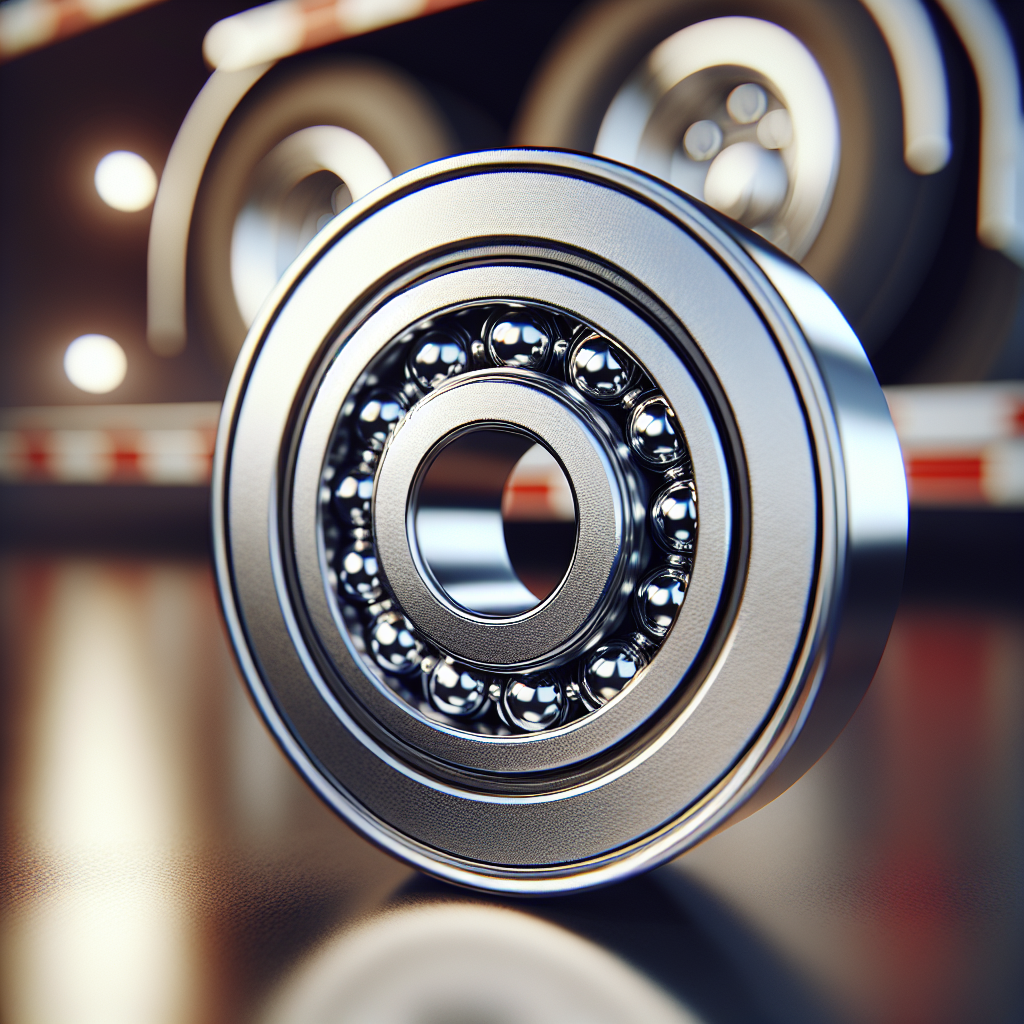
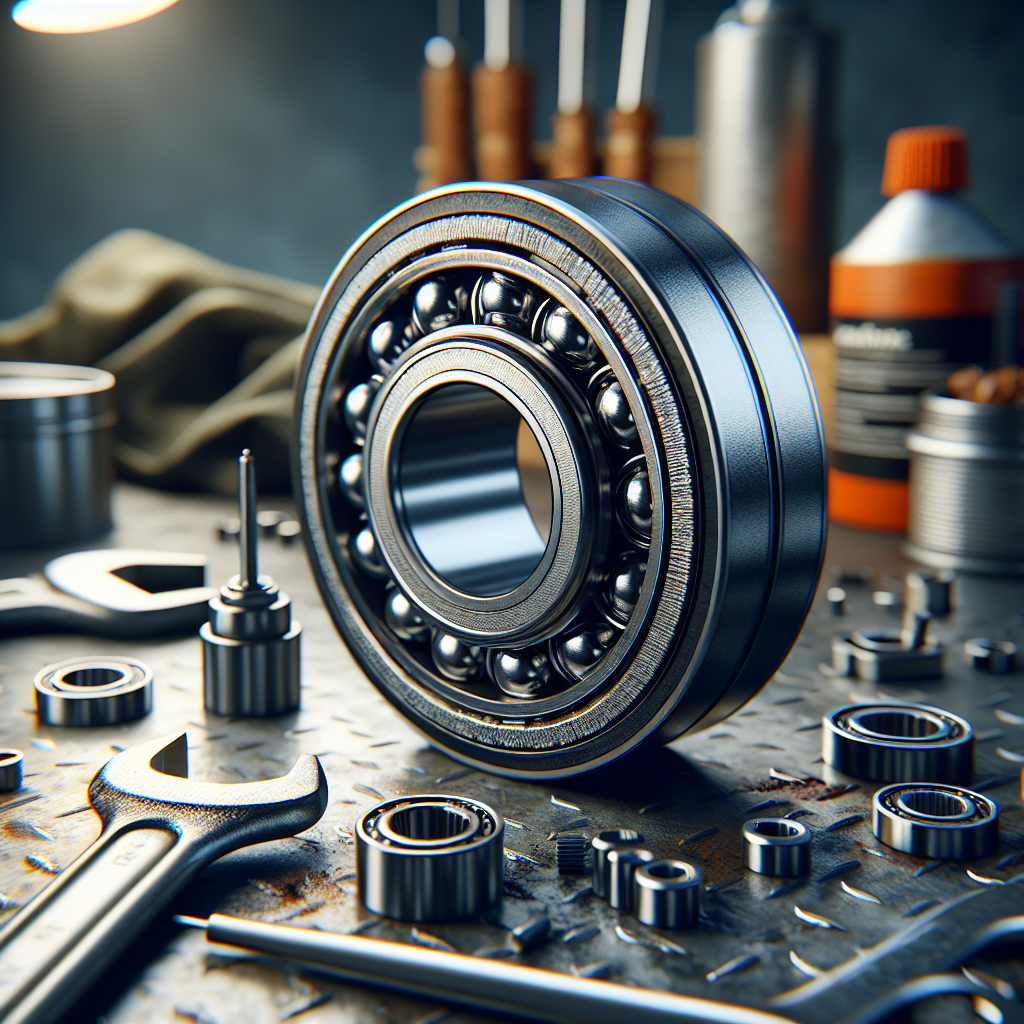
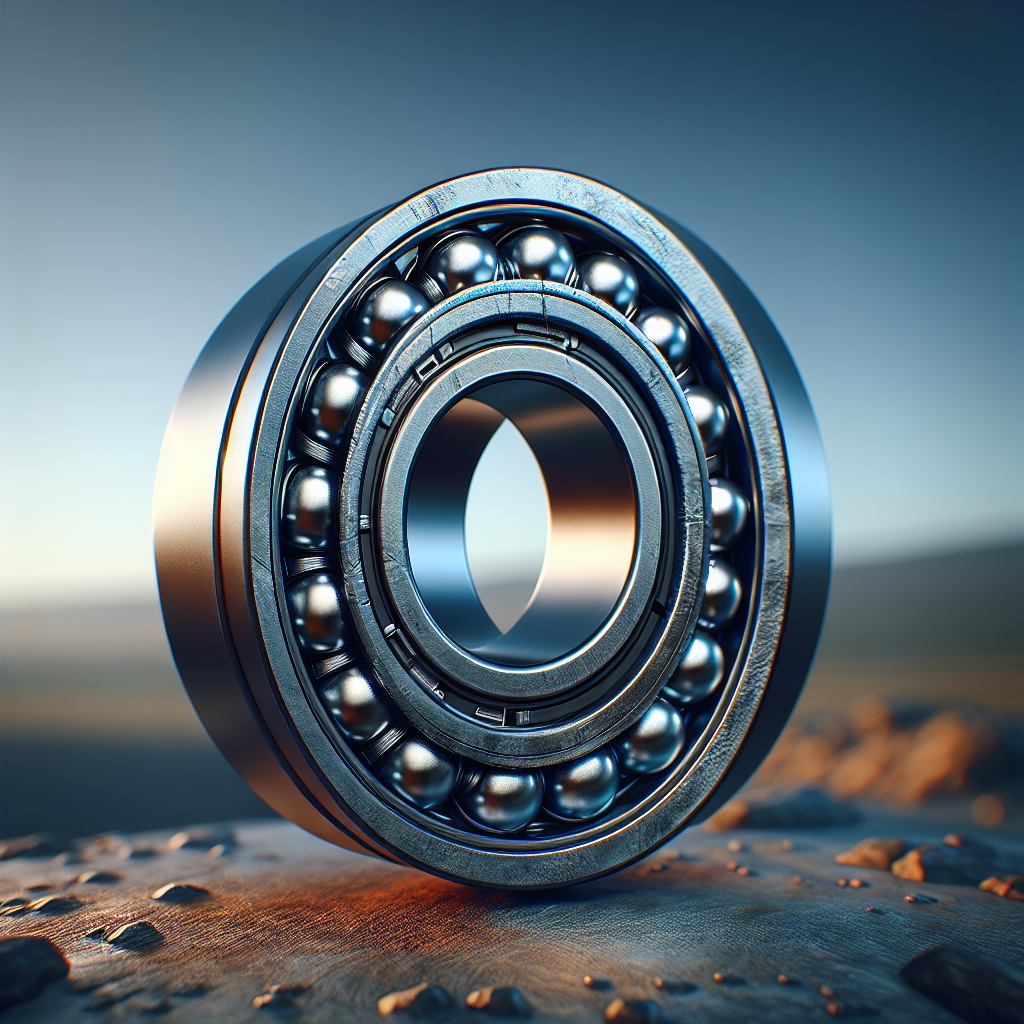
Understanding wheel bearings is crucial for anyone who operates a trailer. These small yet critical components play a significant role in ensuring the smooth operation of your trailer's wheels. Essentially, wheel bearings allow the wheels to rotate with minimal friction, which not only aids in the trailer's mobility but also enhances the overall safety of your towing experience.
When you consider the weight of the trailer and the loads it carries, the importance of wheel bearings becomes even more apparent. They bear the weight of the trailer and facilitate safe navigation over various terrains. Neglecting these components can lead to premature wear, which may result in catastrophic failures during transit.
Several factors affect the lifespan of wheel bearings, including:
- Driving conditions: Rough or uneven surfaces can accelerate wear.
- Load weight: Overloading the trailer can put excessive strain on the bearings.
- Maintenance practices: Regular inspections and lubrication can significantly extend their life.
Given their importance, it’s essential to monitor the condition of your wheel bearings regularly. This is where a smart trailer monitoring system like TrailerWatchdog comes into play. With our advanced technology, you can keep an eye on critical data that may indicate wear or overheating, ensuring that your trailer remains in optimal condition.
Tow with peace of mind, knowing that TrailerWatchdog is standing guard.
Typical Lifespan of Trailer Wheel Bearings
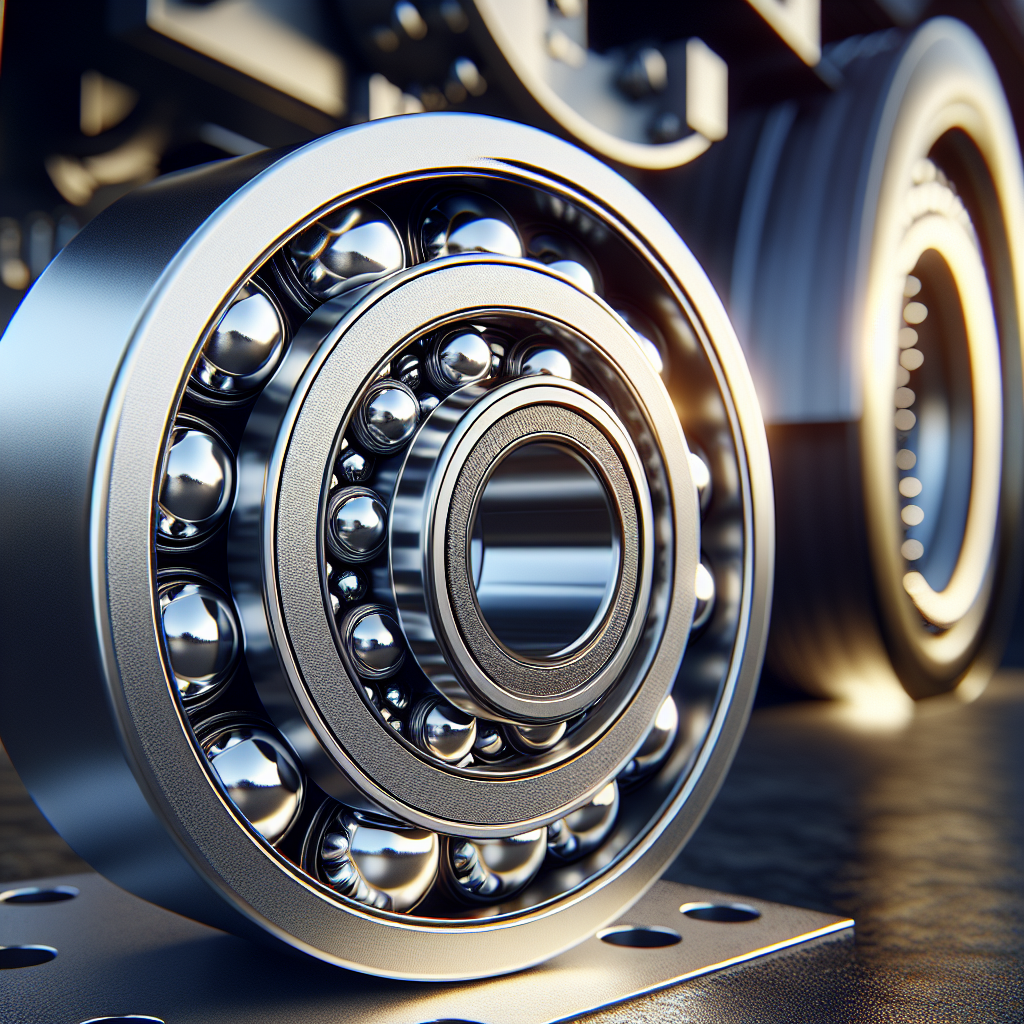
The typical lifespan of trailer wheel bearings can vary significantly depending on a number of factors. Generally, well-maintained wheel bearings can last anywhere from 10,000 to 100,000 miles. However, this range is not set in stone and can be influenced by multiple aspects of usage and maintenance.
Factors that may affect the lifespan of your trailer wheel bearings include:
-
Quality of Bearings: Higher quality bearings are likely to endure longer under stress compared to cheaper alternatives.
-
Usage Patterns: Frequent towing, particularly under heavy loads, can lead to quicker wear and tear.
-
Environmental Conditions: Exposure to dirt, water, and other contaminants can cause corrosion and damage to bearings.
-
Maintenance Frequency: Regular inspections and timely lubrication are essential for prolonging the life of your bearings.
Moreover, it's essential to monitor for signs of wear and tear, such as unusual noises, vibrations, or overheating. Addressing these issues early can make a significant difference in preventing more severe damage that could lead to costly repairs or even accidents.
Awareness of these factors will not only help you understand how long wheel bearings last on a trailer but also encourage proactive maintenance practices that can extend their lifespan.