-
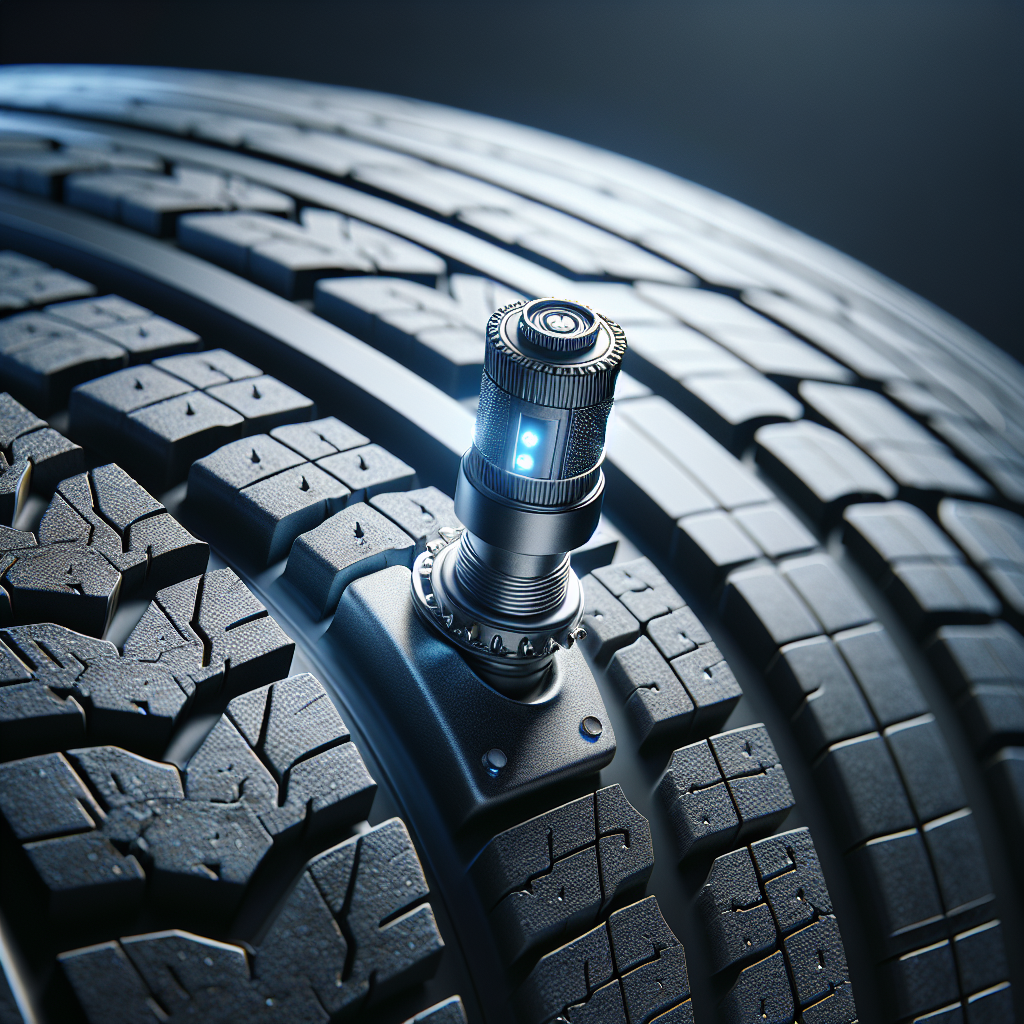
Direct TPMS: This system utilizes individual sensors mounted inside or on each tire. These sensors measure the tire's air pressure and send real-time data to the vehicle's onboard computer. When the pressure drops below a specified threshold, the system triggers a warning light on the dashboard, alerting the driver to check the tire.
-
Indirect TPMS: Instead of using sensors, this system relies on the vehicle's ABS (anti-lock braking system) wheel speed sensors. It calculates tire pressure based on the rotational speed of each tire. If one tire is under-inflated, it will rotate faster than the properly inflated tires, prompting a warning signal. While indirect TPMS is generally less accurate than direct systems, it still provides valuable information regarding tire health.
Both systems are designed to ensure that drivers are aware of any issues with tire pressure, which can catch pressure and temperature changes early. By understanding how these sensors work, you can take better care of your vehicle's tires and ensure safe travels.
Importance of Tire Pressure Monitoring
The importance of tire pressure monitoring cannot be overstated, particularly for those who frequently tow trailers or drive long distances. Maintaining the correct tire pressure is essential for several reasons:
-
Safety: Properly inflated tires significantly reduce the risk of blowouts, which can lead to serious accidents. Tire pressure monitoring systems (TPMS) keep drivers informed about tire health, allowing for timely interventions.
-
Fuel Efficiency: Tires that are inflated to the correct pressure improve fuel efficiency. Under-inflated tires can increase rolling resistance, causing the engine to work harder and consume more fuel.
-
Tire Longevity: Consistent monitoring of tire pressure helps extend the lifespan of tires. Over or under-inflation can lead to uneven wear, resulting in the need for premature replacement.
-
Enhanced Performance: Proper tire pressure contributes to better handling, braking, and overall vehicle performance. This is particularly vital when towing, as correct tire pressure ensures stability and control.
Regularly checking and maintaining tire pressure not only promotes safety but also enhances the overall driving experience. For those with trailers, investing in a reliable tire pressure monitoring system can provide peace of mind, ensuring that their journey is smooth and secure.
Troubleshooting Tire Pressure Sensor Issues
Troubleshooting tire pressure sensor issues is crucial for maintaining optimal vehicle performance and safety. When drivers notice warning lights on their dashboards or inconsistent tire pressure readings, it's essential to address these problems promptly. Here are some common issues and solutions to consider:
-
Faulty Sensors: Over time, tire pressure sensors can wear out or become damaged. If a sensor consistently reports inaccurate readings, it may need to be replaced. Regular maintenance checks can help identify faulty sensors before they lead to bigger issues.
-
Battery Life: Many tire pressure sensors are battery-operated. If the battery is low or dead, the sensor may not function properly. Checking the battery life and replacing it when necessary can resolve many sensor-related issues.
-
Calibrating Sensors: After changing tires or performing maintenance, tire pressure sensors may require recalibration to ensure accurate readings. Consult the vehicle's manual or a professional mechanic to ensure proper calibration.
-
Environmental Factors: Temperature fluctuations can affect tire pressure readings. Cold weather can cause tire pressure to drop, while heat can cause it to rise. Regularly monitoring tire pressure, particularly during seasonal changes, is essential for accurate assessments.
By understanding and addressing these common tire pressure sensor issues, drivers can ensure a safer and more efficient driving experience. Regular monitoring and maintenance are key to keeping your vehicle and trailer in top shape.
Conclusion on Tire Pressure Sensors Location
Understanding where tire pressure sensors are located is vital for every vehicle owner, especially for those who frequently tow trailers. These sensors play a critical role in monitoring tire health, ensuring safety, and enhancing fuel efficiency. Knowing their location allows for easier troubleshooting and maintenance, which can prevent potential accidents caused by tire failures.
As we've explored, tire pressure sensors are often found inside the tires, attached to the valve stem or mounted on the wheel. Regular checks and maintenance of these sensors can lead to better vehicle performance and peace of mind while on the road.
To further enhance your trailer's safety and performance, consider implementing a comprehensive trailer monitoring system. Tow with peace of mind, knowing that trailerwatchdog is standing guard.
Related Reading